
Backpacking South Asia: The Ultimate Budget Travel Guide
If you can stay in a $10-a-night hostel and enjoy spicy street food, South Asia will be an unforgettable adventure. You can experience a variety of activities while saving money. From ancient temples and grand palaces to busy markets, the Himalayas, and tropical beaches, South Asia is full of diversity, and travellers find it amazing.
Budget travel can still be comfortable. With the right strategies, you can explore great places, enjoy tasty food, and create lasting memories without spending much. Whether you plan a month-long trip or a short stay, this guide will help you visit South Asia’s best spots without overspending.
Thinking about South Asia? Read on for all the information you need to backpack through this exciting region as a budget traveller. Budget-friendly routes and cultural diversity make backpacking South Asia popular, a trend also highlighted by global tourism insights from the World Tourism Organization.
What Makes Backpacking South Asia a Backpacker’s Paradise?
Unbeatable Value for Money
South Asia is one of the cheapest regions in the world to travel. You can stretch your budget here. You can find meals for under $2, stay in comfortable hostels for $3-8, and take train rides across countries for well under $10. This means you can travel for months with what might only last you weeks in Europe or North America.
Cultural Immersion Like Nowhere Else
If you want to avoid tourist traps and fake experiences, South Asia offers authentic culture. You’ll be invited to local festivals, have meals with families who will insist you try their food, and see temples that are over 1000 years old. The local people are warm and friendly, helping you build friendships that last long after your trip.
Adventure at Every Turn
In South Asia, you can trek to Everest Base Camp, surf in warm waters, explore ancient ruins, and meditate in mountain monasteries—all in one trip. You can experience everything from thrilling outdoor adventures to deep spiritual journeys.
Fellow Backpacker Community
On the popular backpacker route, you will never feel alone. Hostels are full of travellers sharing tips, forming trekking groups, and making lifelong friends. You’ll find a supportive network of budget travellers here.
Daily Budget Breakdown by Country
Tracking your daily expenses can help you plan better and travel longer. Here’s what you can expect to pay in each country:
India: $20-30 Per Day
India offers great value in South Asia. Your daily budget includes:
- Accommodation: $3-8 (dorm beds, hostels, guesthouses)
- Food: $4-8 (street food, local restaurants, occasional nicer meals)
- Transportation: $2-6 (local buses, trains, rickshaws)
- Activities: $2-8 (temple visits, museums, guided tours)
- Miscellaneous: $2-5 (water, snacks, souvenirs)
- Tip: Avoid Western food and government buses to save more money.
Pro tip: Stick to local food and government buses to keep costs even lower. Travelers planning backpacking South Asia can find official budget tips and destinations for India via Incredible India.
Nepal: $20-25 Per Day
Nepal matches India’s affordability, especially outside Kathmandu:
- Accommodation: $4-7 (teahouses during treks, city hostels)
- Food: $3-7 (dal bhat, mo:mo, local dishes)
- Transportation: $2-5 (local buses, tourist buses)
- Activities: $3-8 (trekking permits, cultural sites)
- Miscellaneous: $2-4 (gear, supplies, tips)
Mountain regions can cost slightly more, but teahouse treks offer incredible value.
Sri Lanka: $25-35 Per Day
Sri Lanka is slightly more expensive but still offers good value:
- Accommodation: $6-12 (hostels, guesthouses)
- Food: $4-10 (rice and curry, seafood, fruits)
- Transportation: $3-8 (buses, trains, tuk-tuks)
- Activities: $5-12 (national parks, cultural sites)
- Miscellaneous: $3-6 (beaches, supplies, treats)
Tourist areas like Galle and Kandy cost more, while rural areas offer better deals.
Bhutan: Special Consideration
Visitors to Bhutan must pay a daily fee that includes accommodation, meals, transportation, and guides. This fee can reach up to $100 per day as part of a sustainable development tax. While this may seem high, it helps support the country’s conservation efforts.
Cheap Accommodation & Food Tips
Accommodation Strategies
Hostels and Guesthouses: Check for walk-in rates, which are often 30-50% cheaper than online prices. Don’t hesitate to negotiate, especially for more extended stays.
Homestays:Stay in a local home with a friendly host and possibly other guests. You may also enjoy home-cooked meals and gain local insights.
Temple Stays: Some temples and ashrams offer simple beds for donations or small fees. This gives you a unique spiritual experience while saving money.
Dormitory Beds: Sharing rooms can significantly reduce costs. Most backpacker hostels have clean dorms, lockers, and social areas.
Food Wisdom
Street Food Strategy: For the best and cheapest street food, find local carts with lots of customers. Fresh food is usually safer. Start with a small amount to help your stomach adjust.
Local Restaurants: Eat at small family-run places away from tourist areas for good value. You should spend no more than $3-4 for a complete meal.
Markets and Self-Catering: Visit local markets to buy fresh fruits, nuts, and snacks. Many hostels have kitchens where you can prepare basic meals.
Thali Culture: In India and Nepal, rice and curry thalis offer filling meals for $1-2, perfect for budget travellers.
Have you thought about how much money you could save by eating where locals go instead of tourist spots?
Local Transport & Money-Saving Apps
Transportation Mastery
India’s Rail Network: Book sleeper-class tickets early for long trips. India has an extensive train network that connects many places at affordable prices. Use apps like ixigo and MakeMyTrip to check prices and find deals.
Local Buses: South Asian countries have many bus options. They are often crowded and chaotic, but very cheap. Government buses are usually less expensive than private ones and follow the same routes.
Ride-Sharing Revolution: Use apps like Ola and Uber in India, PickMe in Sri Lanka, and Tootle in Nepal for safe, fixed-priced rides. Sometimes, they cost less than haggling with taxi drivers.
Motorcycle Rentals: Renting a motorcycle is a great way to travel for more extended periods. It costs just a few dollars a day and lets you explore at your own pace.
Essential Money-Saving Apps
India:
- Paytm & PhonePe: Use these apps for digital
- ixigo: Compare travel prices and find offers.
- Zomato: Check food reviews and sometimes find discount codes.
Nepal:
- Khalti & eSewa: Local payment wallets with discounts.
- Tootle & Pathao: Affordable rides in Kathmandu.
Sri Lanka:
- PickMe & Uber: Reliable rides with metered fares.
- Dialog MyApp: Local software with deal facts.
Multi-Country:
- Google Translate: Useful for communication.
- Maps.me: Download maps for offline use.
- Hostelworld: Find and compare places to stay.
Safety and Cultural Guidelines for South Asia
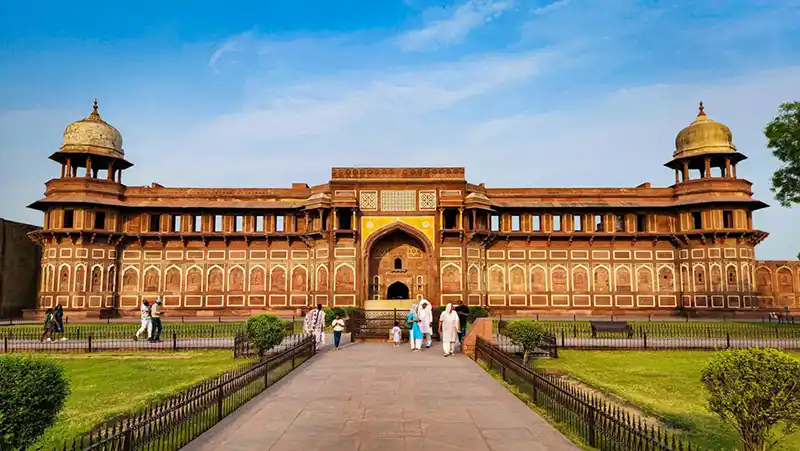
India: Staying Safe in the Chaos
Safety Essentials:
- Be aware of scams, especially in tourist areas like Delhi and Agra.
- Only drink bottled water to avoid stomach issues.
- Keep photocopies of essential documents separate from the originals.
- Trust your instincts. If something feels off, leave the area.
Cultural Sensitivity:
- Dress modestly when visiting religious sites. Women should cover their shoulders and knees.
- Remove your shoes and hats when entering homes or temples.
- Learn basic Hindi phrases like “namaste” and “dhanyawad” (thank you).
- Don’t hesitate to haggle; it’s expected, but always smile.
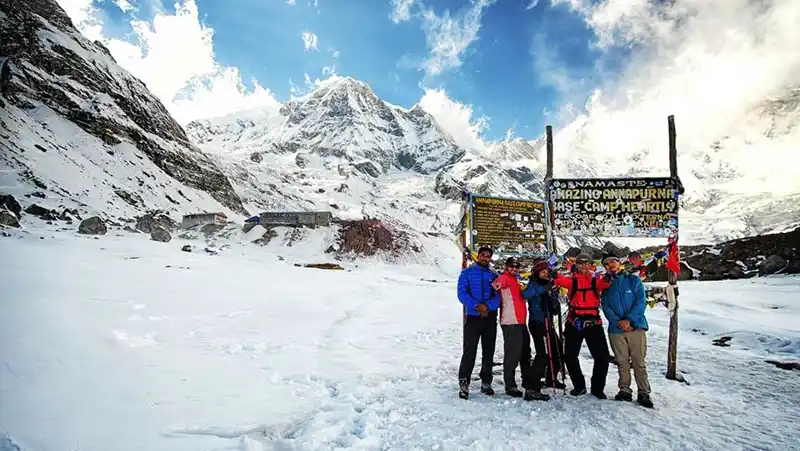
Nepal: Mountain Wisdom
Trekking Safety:
- Acclimatize to the altitude to avoid sickness.
- Hire trusted guides from reputable agencies.
- Dress appropriately; mountain weather changes quickly.
- Inform someone about your trekking plans and when to expect your return.
Cultural Respect:
- Respect local festival customs and ask before taking photos.
- Never point your feet at others or religious symbols.
- Treat local porters kindly; they work hard.
- Negotiate gently; aggressive bargaining is rude.
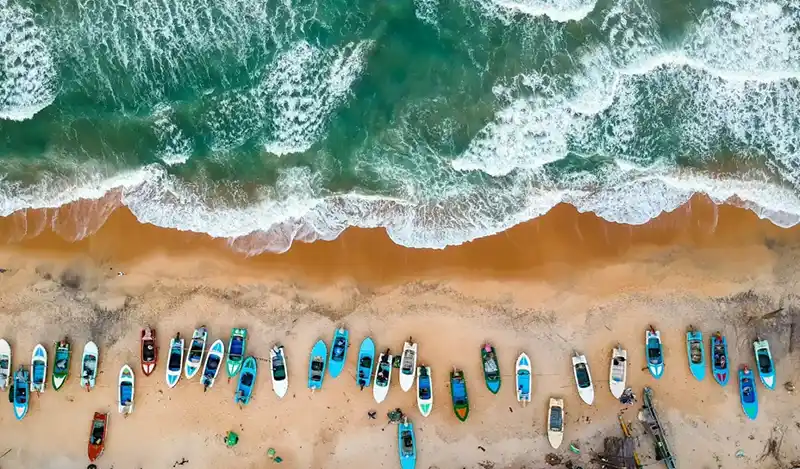
Sri Lanka: Island Etiquette
Practical Safety:
- Watch out for pickpockets in busy markets and bus stations.
- Use reef-safe sunscreen; the sun can be intense.
- Be cautious around wildlife, especially elephants and leopards.
- Stay hydrated in hot, humid weather.
Cultural Awareness:
- Wear modest clothing at Buddhist temples; no shorts or tank tops.
- Do not turn your back to Buddha statues; it is disrespectful.
- Remove hats and shoes at religious sites.
- Tipping 10 percent is generous and appreciated.
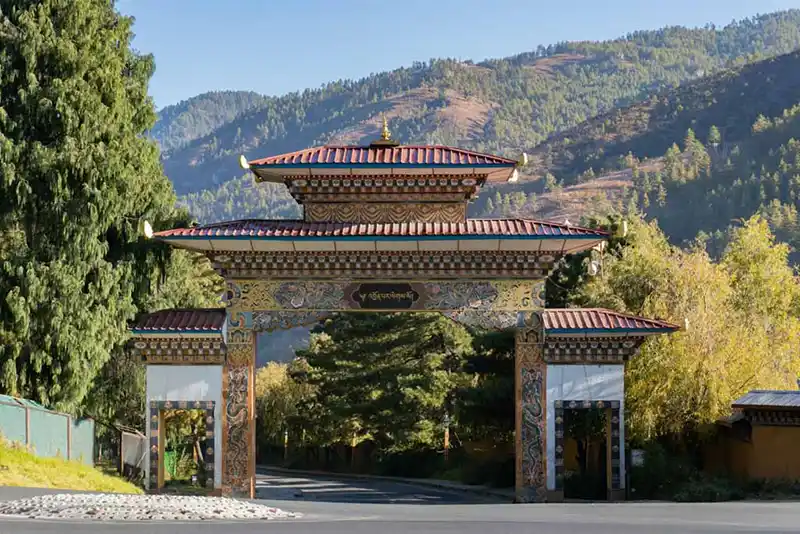
Bhutan: The Last Shangri-La
Cultural Immersion:
- Follow the dress code, especially at dzongs (forts).
- Attend traditional ceremonies respectfully if invited.
- Engage with locals; they enjoy sharing their Culture.
- Take altitude seriously when hiking; rest days matter.
Travelling to South Asia may seem daunting due to safety concerns. Still, these worries often fade when you understand local customs.
Frequently Asked Questions
Is South Asia safe for solo female travelers?
Yes, with precautions. Stick to well-travelled areas, dress conservatively, trust your instincts, and seek advice from fellow travellers. Many women travel solo in South Asia without issues.
How much money should I budget for a month in South Asia?
Budget $600-900, depending on your travel style and countries. India and Nepal typically cost $600-750, while Sri Lanka may range from $750-900, covering accommodation, meals, transport, and activities.
Do I need vaccinations for South Asia travel?
Visit a travel clinic 4-6 weeks before your trip for standard vaccines like hepatitis A/B and typhoid. Requirements vary by country.
What’s the best time to visit South Asia?
The ideal weather is from October to March. Avoid the monsoon season (June-September) due to heavy rains. For trekking, the best seasons are March-May and September-November.
How do I handle bargaining and scams?
Research common scams and always negotiate transport and souvenir prices, starting below 40-50% of the asking price. If needed, walk away; there are always more options.
Can I travel between South Asian countries easily?
Yes, but check visa requirements. Most nationalities can obtain visas upon arrival or online. India-Nepal and India-Bhutan borders are straightforward; plan Sri Lanka separately due to its island status.
Plan Your South Asia Adventure Today
South Asia offers great experiences at a price you can afford. For what you’d pay for a weekend in many Western cities, you can travel for weeks, exploring ancient temples and beautiful mountains. You will also meet cultures that might change how you see the world.
This region rewards those who are curious and willing to step out of their comfort zones. While it can be chaotic and overwhelming, that is part of its charm.
Your journey in South Asia starts with a question: Are you ready to trade comfort for new experiences? Pack lightly, and come with an open mind. Be prepared for a trip that might change your view of travel.
The temples are waiting, the mountains are calling, and your $ 25-a-day budget lets you dive into priceless experiences. The only question left is: Where will you go next?
Do you have a travel story from South Asia? Or a list of places you want to visit? The backpacking route is always excited to welcome new adventures and share what makes this region so unique.


