Traditional & respectful clothing guidelines for temples

Explore the Land of the Thunder Dragon with responsible planning, permit clarity, and culture-first itineraries.
From permits and cultural routes to seasonal timing and real travel stories — this hub brings together everything you need for a responsible Bhutan journey. It is designed for first-time visitors, solo travelers, couples, and budget-conscious tourists visiting Bhutab.
Explore Bhutan’s valleys, monasteries, and regional highlights — from Paro to eastern Bhutan.
Ready-made itineraries and planning logic that respect altitude, culture, and travel rules.
Understand when to visit Bhutan — festivals, clear skies, quiet months, and value seasons.
Real stories from Bhutan — hikes, festivals, monasteries, and slow moments on the road.
Clear guidance on visas, entry permits, Sustainable Development Fee, and travel regulations.
From iconic monasteries to quieter eastern valleys — explore Bhutan’s regions with culture-first guidance and realistic travel context.

Home to Taktsang Monastery, historic dzongs, and Bhutan’s international airport — Paro is where most journeys begin.

Home to Taktsang Monastery, historic dzongs, and Bhutan’s international airport — Paro is where most journeys begin.

Home to Taktsang Monastery, historic dzongs, and Bhutan’s international airport — Paro is where most journeys begin.

Home to Taktsang Monastery, historic dzongs, and Bhutan’s international airport — Paro is where most journeys begin.
Entry rules, daily fees, cultural etiquette, and essential tips for visiting Bhutan responsibly.

Traditional & respectful clothing guidelines for temples

Avoid mistakes that can lead to legal, cultural, or safety trouble in Bhutan

Understanding card acceptance, cash use, and payment limits in Bhutan

Why having travel insurance can save you thousands while exploring Bhutan.
Understand the real cost of traveling in Bhutan—from daily fees to transport—before you plan your trip.
Guesthouse / budget hotel
Basic transport & meals
USD 120–150/day (excluding flights)
3–4★ hotels
Private vehicle + guide
USD 180–220/day
5★ luxury resorts
Premium guide & experiences
USD 300–500+/day
Most hotels are clean, scenic, and include breakfast.
Independent self-driving is not allowed for tourists.
Most tour packages already include meals.
Most tour packages already include meals.
USD 100 per person / per night. Mandatory for most international tourists. Supports education, healthcare, and environmental protection in Bhutan.
SDF is separate from accommodation and services unless included in a package.
Bhutan offers a high-quality, crowd-free, and culturally immersive experience, making it one of the most meaningful travel destinations despite higher costs.
Quick answers to the most common questions tourists ask before planning a trip to Bhutan.
Bhutan is more expensive than many Asian destinations due to its sustainable tourism model. However, the cost includes regulated tourism, uncrowded attractions, cultural preservation, and high-quality travel experiences.
Most international tourists must pay a Sustainable Development Fee (SDF) of USD 100 per person per night. This fee supports Bhutan’s education, healthcare, and environmental protection initiatives.
Yes. Most international tourists are required to travel with a licensed Bhutanese guide and pre-arranged transport. Independent backpacking or self-driving is not permitted.
No. Bhutan follows a regulated tourism system. Visitors must book their trip through an authorized tour operator, which includes accommodation, transport, and guide services.
A 5 to 7-day itinerary is ideal for first-time visitors, covering Paro, Thimphu, and Punakha. Longer trips allow deeper cultural experiences and nature exploration.
The best time to visit Bhutan is during spring (March–May) and autumn (September–November), when the weather is pleasant and major cultural festivals take place.
Yes. Bhutan is considered one of the safest countries in Asia, with low crime rates and a strong focus on visitor safety and respectful tourism.
Bhutan’s currency is the Ngultrum (BTN). Indian Rupees are also widely accepted. Credit cards work in major hotels, but cash is essential in smaller towns.
Transportation in Bhutan works differently from most countries. Here’s how tourists can move between cities, valleys, and attractions legally and comfortably.
Most tourists travel in Bhutan using a private vehicle with a licensed driver. This is the most common, comfortable, and legally required way to explore the country.
International tourists must travel with a government-licensed Bhutanese guide who accompanies them throughout the journey.
Domestic flights are available between major destinations like Paro, Bumthang, and Gelephu. These flights save time and offer stunning Himalayan views.
Local buses operate between major towns, but they are mainly used by locals. Tourists rarely use buses due to fixed schedules and limited comfort.
Taxis are available in cities like Thimphu and Paro for short distances. However, they are not meant for long-distance travel between regions.
Paro → Thimphu: 1.5 hours
Thimphu → Punakha: 3 hours
Paro → Bumthang (flight): 45 minutes
Paro → Bumthang (road): 10–12 hours
Whether you’re choosing a ready-made cultural route or planning a custom journey, this hub helps you design a Bhutan trip that respects permits, pacing, and local regulations.
Carefully structured itineraries covering Bhutan’s key valleys, seasonal festivals, and relaxed hiking routes — designed with realistic pacing and permit rules in mind.
Understand how to design your own Bhutan journey — from choosing valleys and travel pace to working with licensed guides, hotels, and approved routes & many more.
Bhutan’s travel experience changes dramatically by season — from colorful festivals to quiet valleys. Choose the right time based on weather, crowds, and cultural events.

Rhododendrons bloom across the valleys, skies stay clear, and temperatures remain comfortable — ideal for sightseeing and gentle hikes.

Bhutan’s peak season with major festivals, crisp mountain views, and the most stable weather across regions.
Quieter months with fewer travelers. Winter brings cold nights, while monsoon offers lush valleys and lower demand.
Quiet hikes, vibrant festivals, and moments inside monasteries — discover Bhutan through the eyes of travelers who experienced it slowly and respectfully.
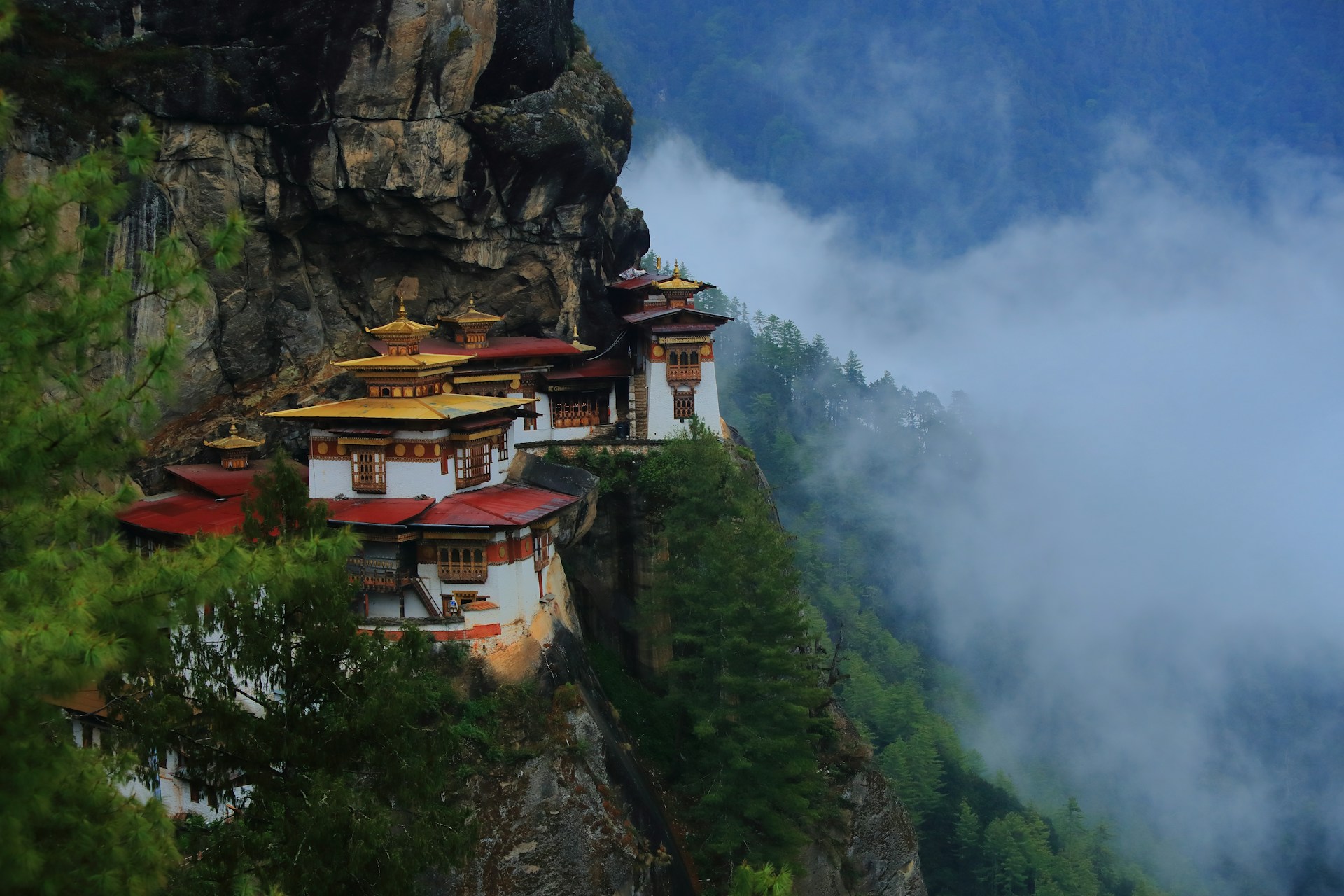
A quiet climb through pine forests, prayer flags in the wind, and a sunrise moment above the Paro Valley.
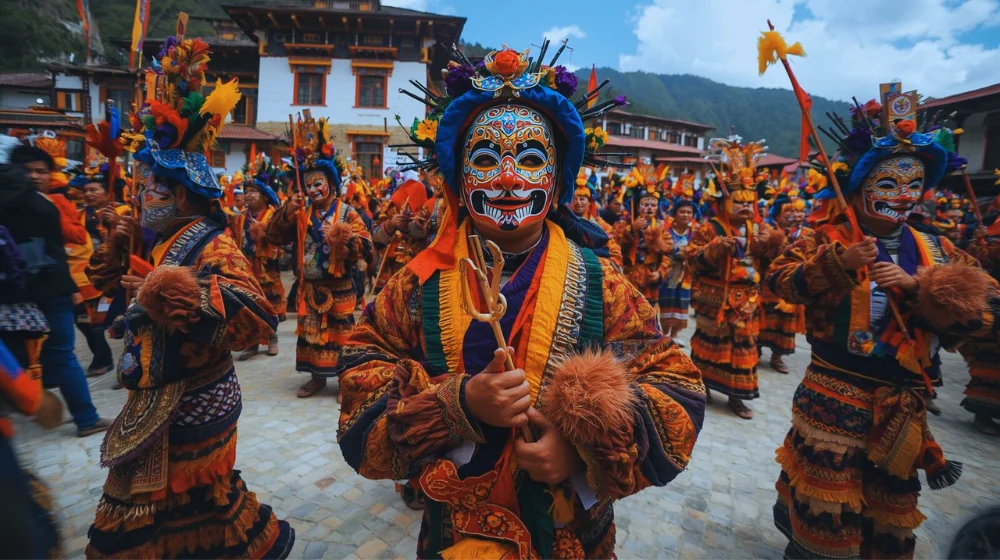
Masked dances, drums, colors, and community gatherings during one of Bhutan’s most important cultural festivals.
Moments of silence, ritual, and daily life inside Bhutan’s fortress-monasteries.
Bhutan follows a strictly regulated tourism system. Before planning your trip, it’s essential to understand visa requirements, permits, and travel rules to avoid entry issues.
All international travelers must arrange their Bhutan visa or entry permit in advance through approved channels before arrival.
Bhutan charges a daily Sustainable Development Fee to support conservation, culture, and community development.
Travel in Bhutan must be arranged with licensed guides, approved hotels, and authorized transport providers.
Most international travelers require a Bhutan tourist visa. Visas are processed through authorized website and Bhutanese tour operators and must be arranged before arrival.
Tourist permits determine where visitors are allowed to travel inside Bhutan. Most itineraries are pre-approved and linked to your guide and vehicle.
All eligible international tourists must pay Bhutan’s Sustainable Development Fee (SDF), which supports education, healthcare, and environmental conservation.
From travel insurance and licensed hotels to flights and essential gear — these services support a safe, compliant, and comfortable Bhutan journey.
Coverage for altitude travel, hiking routes, medical emergencies, and trip disruptions in Bhutan.
Essential gear for hiking, cold mornings, monasteries, and respectful travel in Bhutan.
Find routes, airlines, and arrival options for entering Bhutan via approved airports.
Stay only in government-approved and licensed hotels that comply with Bhutan’s tourism regulations.
Bhutan travel requires thoughtful planning, cultural respect, and clear compliance. TripXAsia focuses on research-driven guidance — not rushed bookings or unrealistic promises.
We clearly explain Bhutan’s visa rules, Sustainable Development Fee (SDF), and mandatory travel requirements — before you start planning.
Our guidance prioritizes sustainability, cultural respect, and realistic pacing — aligned with Bhutan’s tourism philosophy.
Every itinerary and guide is built from deep research, official sources, and real traveler experiences — not copied travel clichés.
Whether you’re exploring cultural routes or building a custom itinerary, start with clear guidance that respects Bhutan’s rules, rhythm, and traditions.
Ut enim ad minim veniam, quis nostrud exercitation ullamco laboris nisi ut aliquip ex ea commodo consequat. Duis aute irure dolor in reprehenderit in

