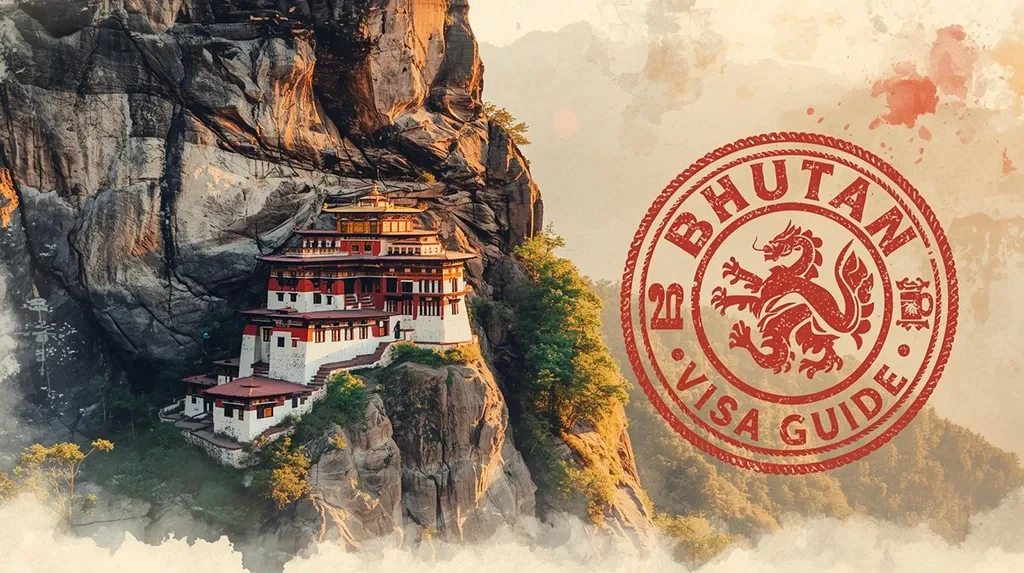
Bhutan Hiking Tours: Best Spring Trails Guide
Spring is one of the best times to hike in Bhutan. The mountains bloom with beautiful pink rhododendrons and fresh green leaves on oak and pine trees. Bhutan, nestled in the Himalayas, offers a peaceful escape for adventure lovers and those who want to connect with nature. The country works hard to protect its culture and environment, making it a unique destination. If you’re more interested in stunning views than in deep cultural experiences, consider hiking in Bhutan in early spring. This guide will show you why spring is perfect for travel, the best treks to try, and how to plan an amazing adventure in the Land of the Thunder Dragon. For updated trekking regulations and travel requirements, visit the official Bhutan Tourism website before booking your Bhutan hiking tours.
Why Bhutan Hiking Tours Are Best in Spring
Hiking in Bhutan during spring is an overwhelming delight for the senses. You’ll enjoy the cool breeze, thousands of bright rhododendron flowers, and stunning mountain views. The best time to trek is from March to May because the weather is stable.
Ideal Weather and Clear Skies
The weather in Bhutan during spring is mild. Average temperatures in hiking areas like Paro and Thimphu range from 50°F to 68°F (10°C to 20°C). This pleasant weather is ideal for longer hikes, so you won’t have to worry about ice or rain.
One significant advantage of hiking in spring is the clear skies. Even in summer, many clear days offer beautiful views of Jomolhari. While other seasons have their charm, nothing compares to the stunning views you’ll see under the bright spring sun. You’re also less likely to be rained out, meaning your hiking trails will be mostly dry.
A Landscape in Full Bloom
Spring is the best time to see flowers in Bhutan. The hills and valleys burst with color, showcasing over 46 types of rhododendrons in red, pink, and white. You can also find the national flower, the blue poppy, at high altitudes. This explosion of life turns every path into a beautiful garden, offering countless photo opportunities. As you walk through pine and fir forests, you’ll find wildflowers covering the ground, creating a rich natural experience. The vibrant blooms contrast sharply with the dullness of fall and the chill of winter.
Favorable Trail Conditions
Spring is dry and stable, which means good trail conditions. The paths are solid and much less slippery than during the monsoon season, reducing the risk of accidents. The mild temperatures make this season ideal for hiking at lower and mid-altitudes. Unlike earlier or later in the year, when snow can cover the paths, spring allows you to focus on the beauty around you instead of worrying about loose rocks.
Top Bhutan Hiking Tours and Spring Trails
Bhutan offers a range of hikes for all fitness levels and interests. Whether you want an easy stroll in a calm valley or a challenging multi-day trek, there is something for everyone. Here are some of the best trails to explore in spring.
Dochula Pass Hike
Difficulty: Moderate
Altitude: 3,100m to 3,400m (10,170 to 11,155 ft)
Permits: No special permit is needed, but a guide is highly recommended due to the unpredictable weather.
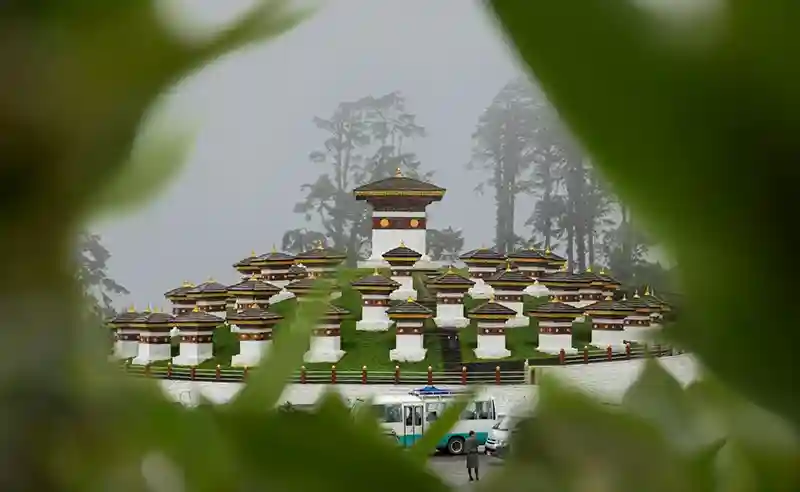
The Dochula Pass hike makes a great day trip and offers some of the best views in Bhutan. The pass is famous for the 108 memorial chortens, known as the Druk Wangyal Chortens, built to honor Bhutanese soldiers who died in a 2003 conflict. On a clear spring day, you can enjoy stunning 360-degree views of the snow-covered Himalayas. The path takes you through a cypress and rhododendron forest, both in bloom during this season. This hike is culturally rich and visually beautiful, making it an excellent choice for those preparing for longer treks.
Phobjikha Valley Trek
Difficulty: Easy to Moderate
Altitude: 2,700m to 3,100m (8,860 to 10,170 ft)
Permits: Generally not required for standard valley walks.
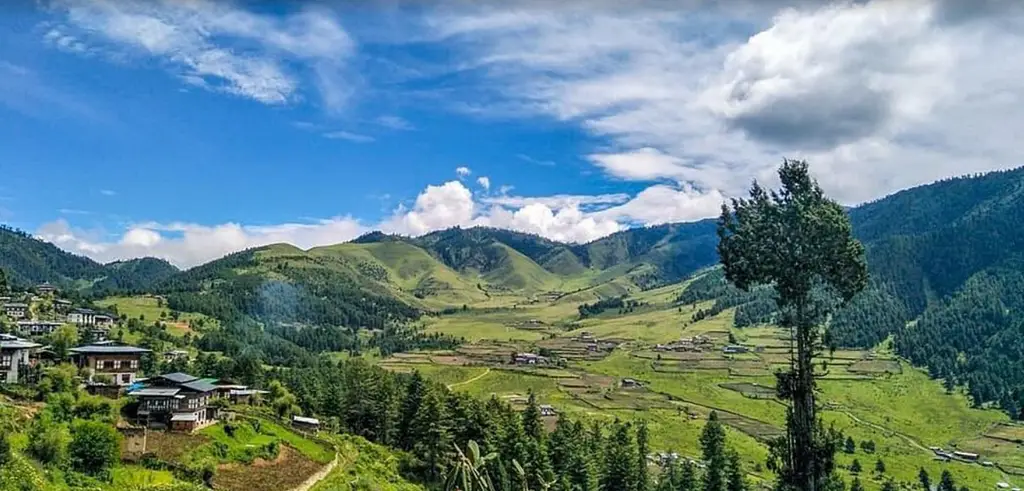
Phobjikha Valley is a beautiful U-shaped glacial valley in the Himalayas. It offers peaceful landscapes and easy trails, making it great for families and beginners. In spring, the valley is covered in wildflowers. The valley is famous for the black-necked cranes that visit in winter, but spring has its own quiet charm. You can enjoy a relaxed walk, visit Gangtey Monastery, and explore nearby villages. The trails focus on enjoying the serene life in Bhutan rather than climbing peaks.
Tiger’s Nest Monastery (Paro Taktsang)
Difficulty: Difficult
Altitude: Reaches 3,120m (10,240 ft)
Permits: An entrance permit is required, and hiring a guide is highly recommended.
No trip to Bhutan is complete without visiting Tiger’s Nest Monastery. Paro Taktsang is one of Bhutan’s most iconic landmarks and holds deep spiritual significance in Bhutanese culture. The hike to the monastery is challenging; you will climb about 900 meters. The path goes through a lovely pine forest with fluttering prayer flags. In spring, the weather is pleasant for climbing, and the views of the monastery from different angles are stunning. The spiritual significance of this sacred place, combined with the physical challenge and beauty, makes this hike unforgettable.

Jomolhari Trek
Difficulty: Strenuous
Altitude: Can exceed 4,000m (13,120 ft)
Permits: A special trekking permit and a licensed guide are mandatory.
For experienced trekkers seeking a high-altitude challenge, the Jomolhari Trek is among the best in Bhutan. This multi-day trek takes you deep into the mountains near Mount Jomolhari (7,326m). The trail passes through high mountain passes, alpine meadows, and by clear glacial lakes. Spring is the best time for this trek, as there is less chance of heavy snow on the passes. You will see beautiful meadows and a variety of alpine flowers while experiencing the rare wildlife. The climb is tough, but the stunning scenery makes it worth it.
Druk Path Trek
Difficulty: Moderate
Altitude: 2,400m to 4,200m (7,875 to 13,780 ft)
Permits: Required, and a guide is recommended.
The Druk Path Trek is one of Bhutan’s most popular treks. It connects the valleys of Paro and Thimphu. It showcases a wide range of landscapes, including snowy peaks, alpine pastures, and subtropical jungle. This trek lasts 5-6 days and crosses various mountain passes. Spring is the best season, as the forests bloom and you can see the majestic Himalayan peaks, including Gangkar Puensum, the world’s highest unclimbed mountain. The trek offers a mix of natural beauty and opportunities to visit old dzongs (Bhutanese government buildings) and remote monasteries.
Gear and Fitness Checklist
Proper preparation is key to a safe and enjoyable hiking trip in Bhutan.
Essential Gear
- Layered Clothing: Temperatures can fluctuate. Pack moisture-wicking base layers, fleece mid-layers, and a waterproof/windproof outer shell.
- Sturdy Hiking Boots: Ensure they are well broken-in to prevent blisters.
- Daypack: A 25-35 liter pack is ideal for carrying water, snacks, extra layers, and a first-aid kit.
- Sun Protection: High-altitude sun is strong. Bring sunglasses, sunscreen (SPF 30+), and a wide-brimmed hat.
- Hydration: Carry a reusable water bottle or hydration reservoir. It’s crucial to stay hydrated at altitude.
- Trekking Poles: Highly recommended to reduce strain on your knees during ascents and descents.
- First-Aid Kit: Include basics like blister treatment, pain relievers, and any personal medications.
Fitness Preparation
While you don’t need to be a professional athlete, a good level of cardiovascular fitness is essential.
- Cardio Training: Incorporate activities like running, cycling, or swimming into your routine at least 3-4 times a week for a few months before your trip.
- Strength Training: Focus on strengthening your legs and core with exercises like squats, lunges, and planks.
- Practice Hikes: If possible, go on several long hikes with a loaded backpack to simulate trekking conditions. This will also help you break in your boots.
- Altitude Acclimatization: Plan your itinerary to include gradual ascent and rest days to help your body acclimatize to the altitude.
The Role of Local Guides and Safety
Hiring a local guide is mandatory for most treks in Bhutan and is a cornerstone of the country’s “High Value, Low Impact” tourism policy. This is not just a rule; it’s a crucial element for your safety and enriching your experience.
- Expert Navigation: Bhutan’s trails can be remote and unmarked. Guides possess intimate knowledge of the terrain and weather patterns.
- Cultural Insights: Guides act as cultural ambassadors, sharing stories, explaining customs, and facilitating meaningful interactions with local communities.
- Safety First: They are trained in first aid and emergency procedures. In a country with limited mobile connectivity in remote areas, their expertise is invaluable.
- Logistics: Your guide and tour operator will handle all the logistics, including permits, accommodations, and meals, allowing you to fully immerse yourself in the journey.
Relaxing After the Hike
Your adventure can continue after hiking. Bhutan offers excellent ways to relax and rejuvenate.
- Hot Stone Baths (Dotsho): Locals use heated stones in water for soothing soaks. This bath is rich in minerals and is excellent for tired muscles.
- Tea Houses: Enjoy a cup of suja (butter tea) at a local tea house. It’s a warm and delightful way to experience a Bhutanese tradition.
- Monastery Visits: Spend a peaceful afternoon at a monastery. Listen to monks chant and enjoy the calm atmosphere.
Frequently Asked Questions
What is the best time to hike in Bhutan?
The best times to trek in Bhutan are spring (March to May) and autumn (September to November). In spring, you can see blooming flowers and stunning scenery. In autumn, you can enjoy clear blue skies and pleasant temperatures.
Do I need a permit for hiking in Bhutan?
Yes, you need a special license for most long treks. Your travel agent will help you get this permit. Single-day hikes, such as the Dochula Pass, may not require a special permit, but a guide from your tour must accompany you.
How difficult are the hiking trails in Bhutan?
The difficulty of treks varies. Some, like the Phobjikha Valley trek, are easy and great for beginners. Others, like the Jomolhari or Druk Path treks, are suited for experienced hikers.
Is it safe to hike in Bhutan?
Yes, hiking in Bhutan is very safe. All hikes are led by a licensed local guide who knows the area and can provide first aid if needed. Following safety guidelines and being prepared will help ensure a smooth trip.
What should I pack for a spring hike in Bhutan?
Pack layers of clothing, good hiking boots or shoes, a daypack, sunscreen, a refillable water bottle, and a simple first-aid kit. Your tour operator will provide a detailed packing list for your specific trek.
Your Bhutanese Adventure Awaits
Springtime in Bhutan is more than just a place to hike; it’s a chance to experience a vibrant world filled with quiet beauty, colorful nature, and rich culture. The lush forests, bursting with rhododendrons and surrounded by the tall peaks of the Himalayas, turn every day on the trails into a new adventure. With pleasant temperatures and beautiful spring flowers, this is the best time to enjoy hiking outdoors. Whether you want to challenge your body or uplift your spirit, Bhutan will leave a lasting impression on your soul.
Ready to explore the trails?