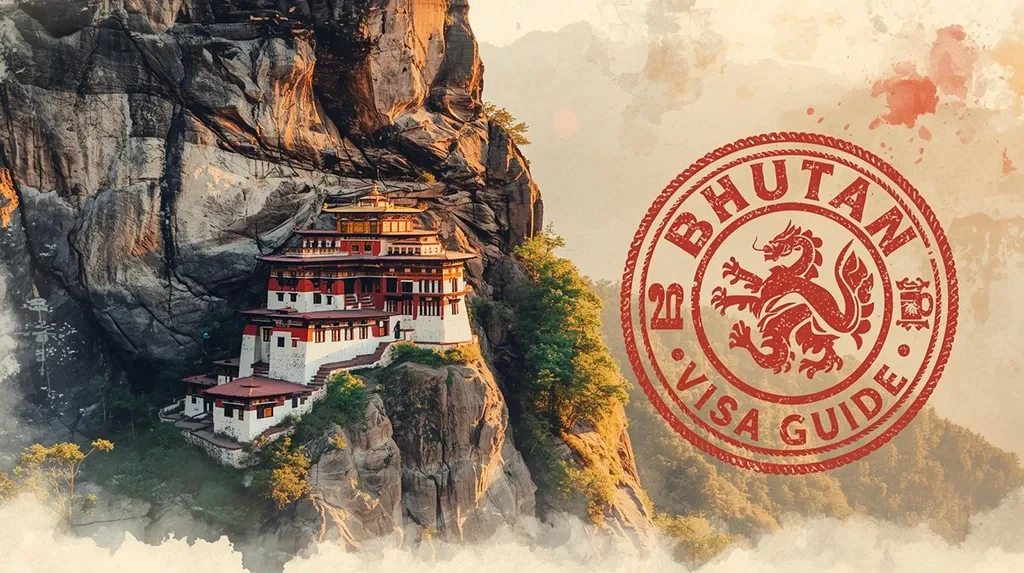
Bhutan in Winter: Snow, Festivals & Travel Tips
Imagine snowy rooftops on ancient monasteries and quiet valleys filled with sacred celebrations. This is winter in Bhutan. Nestled between China and India in the Eastern Himalayas, Bhutan is an excellent place for walking and experiencing its beauty and culture. Many travelers visit during spring and fall, but winter—from December to February—offers a different, quieter charm. The air is cold, the sky is bright blue, and the scenery looks like a dream.
If you want an adventure full of natural beauty and cultural experiences, consider traveling to Bhutan in winter. You’ll find fewer tourists, clearer mountain views, and Bhutanese hospitality at its best. This guide provides helpful information on Bhutan’s weather, festival dates, and packing tips to help you plan a memorable trip. For updated visa rules, permits, and seasonal travel information, visit the Bhutan Tourism website before planning your Bhutan in winter trip.
Why Visit Bhutan in Winter?
Visiting Bhutan between December and February has benefits you won’t find in the busy spring and autumn seasons. It’s a time for peaceful exploration, clear skies, and meaningful cultural experiences.
Fewer Crowds, More Serenity
One primary reason to visit Bhutan in winter is the smaller number of tourists. Data shows that tourist arrivals drop by 50-60 percent compared to peak months like March, April, and October-November. With fewer visitors, you can enjoy popular sites like Paro Taktsang (Tiger’s Nest Monastery) and Punakha Dzong without large crowds. This allows you to reflect in peace and take selfies without interruptions. Trails are less crowded, monasteries are quieter, and you can better enjoy the calm pace of the country.
Crystal-Clear Skies and Stunning Vistas
Winter in Bhutan offers clear, stable weather, with an average of 20 to 25 sunny days each month. The mist from the rainy season is gone, revealing stunning views of the Himalayas. Mountains like Gangkhar Puensum, the highest unclimbed peak in the world, and Jomolhari stand proudly against bright blue skies. For photographers and nature lovers, these cool, clear days are perfect for capturing Bhutan’s beautiful landscapes.
Affordable Travel and Better Availability
Winter usually brings lower prices for flights and accommodations due to less demand. You can often find better deals with Drukair and Bhutan Airlines, the two national airlines. Luxury hotels and cozy guesthouses also have more availability, giving you plenty of options. While you still need to pay the Sustainable Development Fee (SDF), your overall travel costs can be lower.
Top Places to Visit in Bhutan in Winter
Some high-altitude areas may be harder to reach in winter. Still, the valleys in central and western Bhutan are great for exploration. Here are the must-see locations:
Paro Valley: The Gateway to Wonder
The Paro Valley, home to Bhutan’s only international airport, is likely where your journey begins. In winter, the valley becomes a picturesque scene, with snow-covered fields and traditional homes, smoke rising from their chimneys.
- Average Temperature: Daytime temperatures range from 8–12°C (46–55°F) and nighttime temperatures drop to -5 to -1°C (23-30°F).
- Key Attraction: Paro Taktsang (Tiger’s Nest): The famous Paro Taktsang (Tiger’s Nest) monastery is especially enjoyable in winter. The cooler weather makes the hike pleasant, and the view from the top is incredible. With fewer people on the trail, you can enjoy a peaceful atmosphere.

Thimphu: The Vibrant Capital
A short drive from Paro, Thimphu mixes the old with the new. The city feels less crowded in winter, making it great for exploring markets, museums, and cultural sites.
- Average Temperature: Daytime temperatures are between 9°C and 13°C (48°F and 55°F), and at night, temperatures range from -4°C to 0°C (25°F to 32°F).
- Key Attractions: Visit the huge Buddha Dordenma statue for great city views, see Bhutan’s national animal at the Motithang Takin Preserve, and stroll through the Centenary Farmers’ Market.
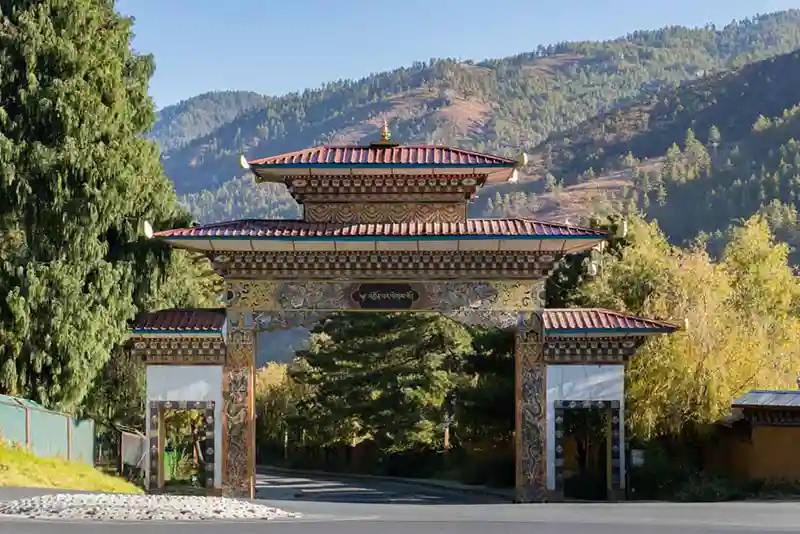
Punakha: The Winter Capital
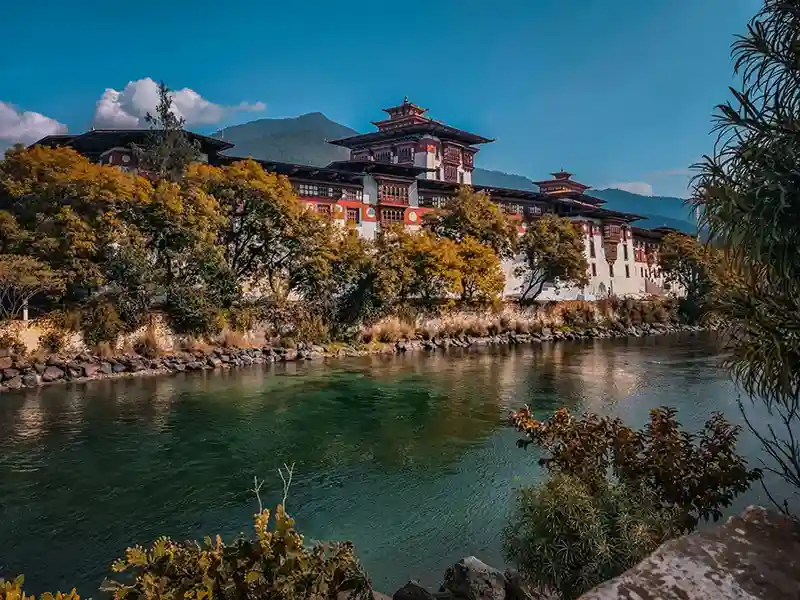
Punakha has been the winter capital of Bhutan due to its warm climate. The Punakha Dzong, often considered the most beautiful fortress in Bhutan, is situated at the meeting point of two rivers.
- Average Temperature: It is warmer in Punakha, with daytime temperatures between 15 to 20°C (59°F to 68°F) and nighttime temperatures of 4 to 8°C (39°F to 46°F).
- Key Attraction: Punakha Dzong: The Punakha Dzong is home to the popular Punakha Tshechu festival celebrated in February, so there is some activity at the dzong. The surrounding valley is also great for hiking and river rafting, even in winter.
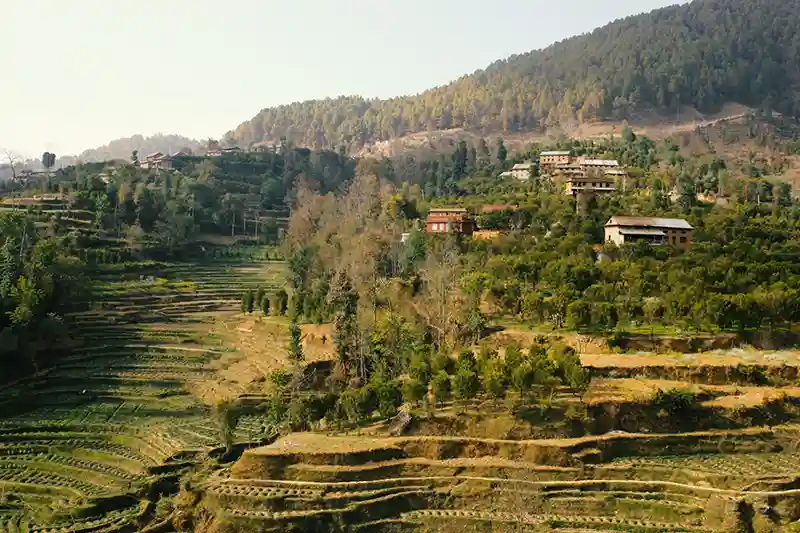
Bumthang Valley: The Spiritual Heartland
Bumthang Valley, known as the “Switzerland of Bhutan,” includes four beautiful valleys. It is considered the spiritual heart of Bhutan, filled with old temples and monasteries. Although it is cooler than the western valleys, it is still stunning.
- Average Temperature: Daytime temperatures range from 5 to 10°C (41-50°F), while nights can be much colder, between -4 to 8°C (18-25°F). Snow is possible, but usually only light.
- Key Attractions: Visit Jambay Lhakhang, one of Bhutan’s oldest temples, and Jakar Dzong (Castle of the White Bird).
Haa Valley: The Snowy Sanctuary
If you want to experience a true winter wonderland, visit Haa Valley. This area is at an altitude of about 2,700 meters (8,858 feet) and often receives heavy snowfall.
- Snowfall Average: In winter, Haa Valley usually has 10-20 inches (25-50 cm) of snow. Chele La Pass, which connects Paro and Haa, is often covered in snow.
- Road Conditions: The road from Thimphu to Haa, across Chele La Pass (3,988 meters), can be blocked by snow during heavy storms. Check with your tour operator for the latest road conditions before your trip.
Witness Unforgettable Winter Festivals
Winter is a time for celebrations in Bhutan. As the farming season ends, colorful festivals, called Tshechus, take place. Villagers come together to enjoy performances with bright masks, music, and dance.
Punakha Tshechu
- When: Usually in February at the Punakha Dzong.
- What to Expect: This is one of the most famous Tshechus in Bhutan. It celebrates the achievements of Guru Rinpoche. Monks perform masked dances, and the event ends with the unveiling of a large thangka (a religious painting of Guru Rinpoche). It’s a powerful experience.
Nomad Festival
- When: Held annually in February in Bumthang.
- What to Expect:This unique festival attracts nomadic groups from around Bhutan. You can watch traditional sports like archery and tug-of-war, buy local crafts and snacks, and see herders from various cultures showcasing their traditions. It offers a glimpse into a way of life that has remained unchanged for centuries.
Practical Information for Your Winter Trip
To enjoy your trip, some planning is necessary. Here’s what you need to know:
Permits and Costs
Most visitors (except those from India, Bangladesh, and the Maldives) must pay a daily fee of $100 USD per person. This fee used to be $200, so winter travel is cheaper now.
- Cost Estimate: Expect to pay around $200-$250 USD per person per day in winter, which typically covers the SDF, accommodation, a licensed guide, all meals, and internal transport.
Packing for the Cold
Dress in layers to stay warm in Bhutan’s winter temperatures.
- Clothing: Bring thermal base layers, fleece jackets, and a windproof, waterproof outer jacket. Insulated pants, thick woolen socks, gloves, a scarf, and a beanie are essential, especially at night and at higher altitudes.
- Footwear: Pack solid, waterproof hiking boots with good traction if you plan to hike to Tiger’s Nest or through snow.
- Essentials: Don’t forget sunscreen, sunglasses, and lip balm. The sun can be strong at high altitudes, even in winter.
Where to Stay: Cozy Hotels and Tea Houses
Enjoy Bhutanese hospitality during winter. Many hotels and guesthouses are ready for the cold, with room heaters and fireplaces in common areas.
- Paro: Stay in a rustic Bhutanese farmhouse or enjoy the charming monastic lifestyle at places like Nak-Sel Boutique Hotel & Spa, which offers beautiful views and cozy interiors.
- Thimphu:Find comfort at hotels like Terma Linca Resort & Spa, which has heated rooms and a traditional hot stone bath.
- Punakha & Bumthang: In both valleys, family-run guesthouses provide a warm and personal experience. Availability is generally good so that you can book rooms at your preferred places.
Frequently Asked Questions (FAQs)
Q: Is trekking possible in Bhutan during winter?
A: While high-altitude treks like the Snowman Trek are closed, you can still enjoy day hikes and shorter treks at lower elevations, such as the Druk Path Trek from Paro to Thimphu. The trails are firm, and the views are clearer.
Q: How reliable is internal travel during winter?
A: Major highways connecting Paro, Thimphu, and Punakha are usually open and in good shape. However, high mountain passes like Chele La and Dochu La can close temporarily due to snow. Your tour operator will monitor road conditions and adjust plans if necessary.
Q: Will I see snow in Bhutan in winter?
A: Snow is common at altitudes of 3,000 meters (almost 9,800 feet). You will likely encounter snow in places like Haa Valley and on high mountain passes. Thimphu and Paro may see light snowfall, but heavy blizzards are rare there.
Q: Are restaurants and shops open in winter?
A: Yes, all main tourist services (restaurants, gift shops, and museums) stay open in winter. You can easily access Bhutan’s cultural sites.
Your Unforgettable Winter Journey Awaits
A trip to Bhutan from India is more than just a vacation; it’s a meaningful experience. You will connect with an ancient culture and see stunning landscapes at their best. The peaceful atmosphere, friendly locals, and quiet, snow-covered valleys create lasting memories.
If you want to escape crowded places and explore serene trails with sunlight on snow-covered mountains, add Bhutan to your bucket list.
Ready to explore the magic of a Bhutanese winter?