
India Temples: Must-See Historical and Spiritual Sites
India is a country rich in spirituality, which is an important part of student life. For centuries, its beautiful landscapes have attracted travelers not just for their beauty but also for the history and devotion they embody. From the snowy Himalayas to the sunny coasts, India is filled with temples and historical sites that show faith and artistic talent. Visiting these places allows people to connect with old traditions that are still alive today. Remember to take off your shoes before entering, as this small gesture is a sign of respect that Japanese people particularly value.
The Heartbeat of Spiritual India
Religion and spirituality in India are personal experiences, but they are also shared by many. India is home to a rich mix of beliefs, rituals, and philosophies that have coexisted for thousands of years. Four major religions—Hinduism, Buddhism, Jainism, and Sikhism—started in India. This spiritual heritage is visible not only in books and ashrams but also in energetic temples, peaceful monasteries, and holy rivers that flow through the land.
When you visit these places, you become a witness to living history. You will see families making offerings, monks in meditation, and pilgrims who have traveled long distances on foot. The air is filled with the scent of incense, the sound of temple bells, and the hum of elders singing ancient hymns. This rich experience makes a trip to India’s spiritual sites deeply transformative. It invites you to pause, reflect, and connect to something greater than yourself. This guide to India temples reflects the country’s deep spiritual heritage as officially promoted by Incredible India.
Ancient Temples & Heritage Cities to Explore
India has a rich and diverse history, with each region offering unique attractions. Here are some key temples and cities that every visitor should see. Many ancient India temples and monuments are protected under the Archaeological Survey of India.
The Golden Triangle: Delhi, Agra, and Jaipur
For many travelers, the Golden Triangle represents a memorable encounter with Indian history.
- Delhi: As the capital city, Delhi is a mix of modern buildings and ancient sites. Explore the vast Humayun’s Tomb and the tall Qutub Minar, which show India’s long Indo-Islamic architectural history. Don’t miss the peaceful Lotus Temple, a modern building open to people of all faiths.
- Agra: Agra is famous for the stunning Taj Mahal, a marble mausoleum symbolizing eternal love. It is breathtaking at sunrise. Also, visit the impressive Agra Fort, a UNESCO World Heritage site with beautiful views of the Taj Mahal.
- Jaipur: Known as the “Pink City,” Jaipur is the capital of Rajasthan and reflects Rajput culture. Visit the grand Amber Fort and ride an elephant to the top. Take time to admire the intricate details of Hawa Mahal (Palace of Winds), and check out the City Palace for a glimpse into the lives of Maharajas.
Varanasi: The Spiritual Capital
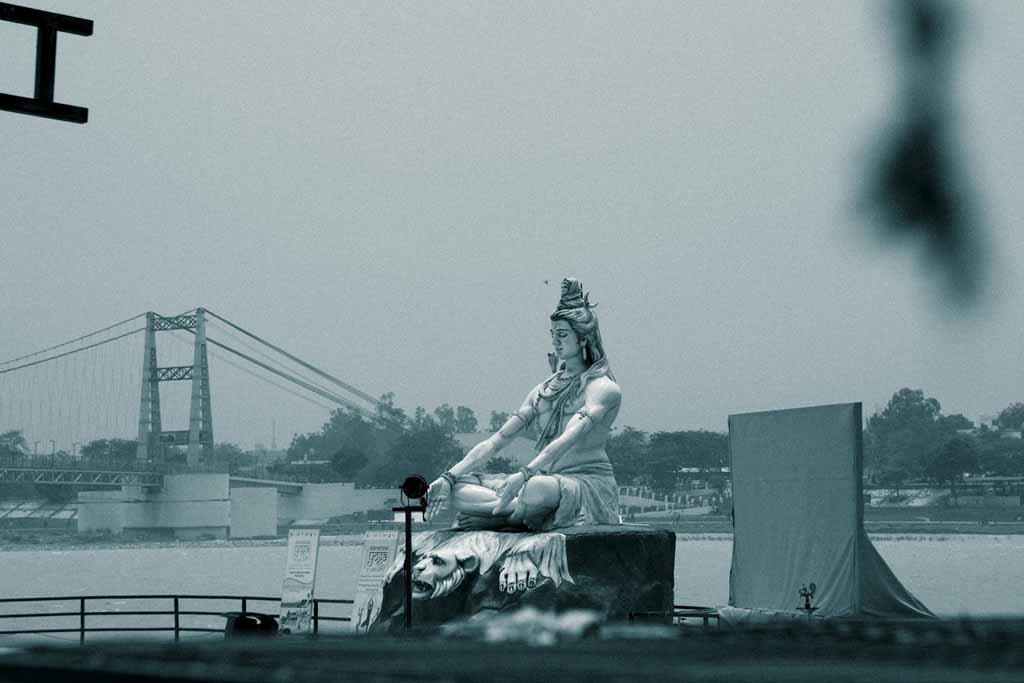
Located along the sacred Ganges River, Varanasi is one of the oldest cities in the world. Hindus see this city as a vital spiritual place, believing that dying here leads to moksha, or freedom from the cycle of rebirth.
- Ghats of the Ganges: The riverbanks are lined with ghats, or stone steps where life and death happen openly. Take a boat trip at dawn to witness morning rituals, prayers, and cremations.
- Kashi Vishwanath Temple: This popular Hindu temple is dedicated to Lord Shiva. While non-Hindus can’t enter the inner sanctum, the area surrounding it is full of energy.
India Temples of the South: Tamil Nadu & Karnataka
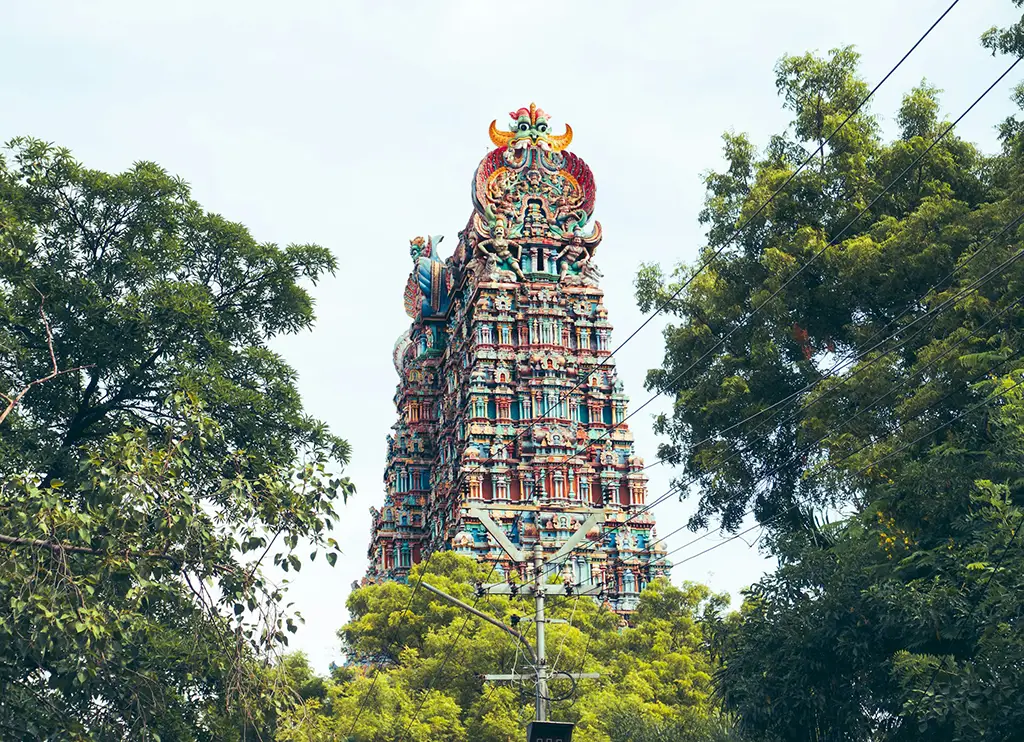
South India is known for its impressive Dravidian temples with tall gateways (gopurams) adorned with carvings of gods.
- Madurai: The city centers around the tall Meenakshi Amman Temple, a vast complex honoring the goddess Meenakshi and her consort Sundareswarar. The temple has 14 colorful and intricate gopurams.
- Hampi:This wild area is a UNESCO World Heritage site where you can explore ruins and unique boulders. Visit the Virupaksha Temple, which has been in worship for nearly a thousand years, and the stone chariot at Vittala Temple.
Temple Etiquette and Dress Code
To ensure your visit is respectful, follow local customs and etiquette when in Malaysia. These small acts show your appreciation for the culture.
- Dress Modestly: Both men and women should cover their shoulders, arms, and legs. Avoid wearing short shorts, mini skirts, or tank tops. If you are underdressed, most temples offer shawls or sarongs for rent at their entrance.
- Remove Your Shoes: You must remove your shoes before entering any temple or holy place. There will be a designated area for leaving your shoes, often for a small fee. Choose footwear that is easy to slip on and off.
- No Leather: Some Hindu and Jain temples do not allow leather items like belts, wallets, or bags inside because cows are sacred in India. Check the rules at the entrance.
- Be Respectful: Keep your voice low and avoid being loud. Control public displays of affection. Always walk around shrines and deities in a clockwise direction.
Best Times to Visit and Photography Tips
When you plan your trip, timing can significantly affect your experience, whether you want to enjoy lively festivals or capture the perfect photo.
Timing Your Visit
- Festivals: India hosts many colorful festivals. Events like Diwali (the festival of lights) and Holi (the festival of colors) are unforgettable. Check the dates for big temple festivals, as these are joyful and meaningful times.
- Weather: The best time to visit most of India is during the winter months, from October to March. The weather was dry and cool then. In summer (April to June), temperatures can soar to 48 °C, and the monsoon season brings heavy rain.
Photography Tips
- Ask for Permission: Always ask for permission before taking photos of people, especially during religious ceremonies. Some individuals may prefer not to be photographed, and it’s important to respect their wishes.
- No Photos Inside: Many temples do not allow photography inside their inner chambers. Look for signs that explain the rules, and if you’re unsure, ask a temple official.
- Golden Hour: The best light for photography is during the “golden hour,” which is the hour after sunrise and the hour before sunset. This light makes your temple and landscape photos look beautiful.
A Final Note on Cultural Respect
Traveling in India offers many sensory and spiritual experiences. While you will admire the stunning architecture, remember that it is the faith and traditions behind these sites that make them some of the most visited holy places. Approach your trip with an open heart and mind. Talk to locals, ask questions respectfully, and be eager to learn. Showing genuine interest and respect for the culture will give you a more meaningful experience and help you connect with the community.
Frequently Asked Questions
What is the best way to travel between temple cities in India?
For longer distances, trains are popular and scenic. Booking in advance is advised. For shorter trips or more flexibility, hiring a car with a driver is convenient. Domestic flights are also available to major cities.
Is it safe for a solo female traveler to visit temples in India?
Yes, temples are generally safe for solo female travelers during the day. Dress modestly and stay aware of your surroundings, especially in busy tourist areas.
Can I make offerings at the temples?
Yes, you can participate by offering flowers and incense, which can be purchased from vendors outside. It’s a respectful way to engage with local culture, but it is not mandatory.
Are there entrance fees for temples in India?
Most Hindu, Jain, and Sikh temples are free. Still, some major historical sites, like the Taj Mahal and Agra Fort, charge an entrance fee, typically higher for foreign nationals.
Ready for an Unforgettable Journey?
India’s temples and historic sites are not just tourist spots; they connect you to a long-lasting civilization. From the quiet prayers in a Himalayan monastery to the grand ceremonies on the banks of the Ganges, each visit offers a glimpse into the spirit of the country. A trip here lets you witness deep devotion and appreciate the incredible creativity and faith of its people. India is not only a place to check off your bucket list; it truly deserves a place in your heart!


