
Nepal Travel Guide: Treks, Itineraries & Planning
From Himalayan trails to ancient temples — plan Nepal with clarity and confidence.
Everything You Need to Travel Nepal — In One Place
Nepal is not about rushing city to city.
This hub helps you plan routes, seasons, and safety — before you lace up your boots.
Destination Guides
Regions, trails & cultural highlights
Itineraries & Planning
Treks, routes & realistic pacing
Seasonal Travel
Weather windows that actually matter
Travel Stories
Lessons from real trails
Visa Guide
Entry rules, TIMS & trekking permits
Explore Nepal by Region
Nepal is best understood by regions — not cities. Each area offers a different pace, altitude, and experience.
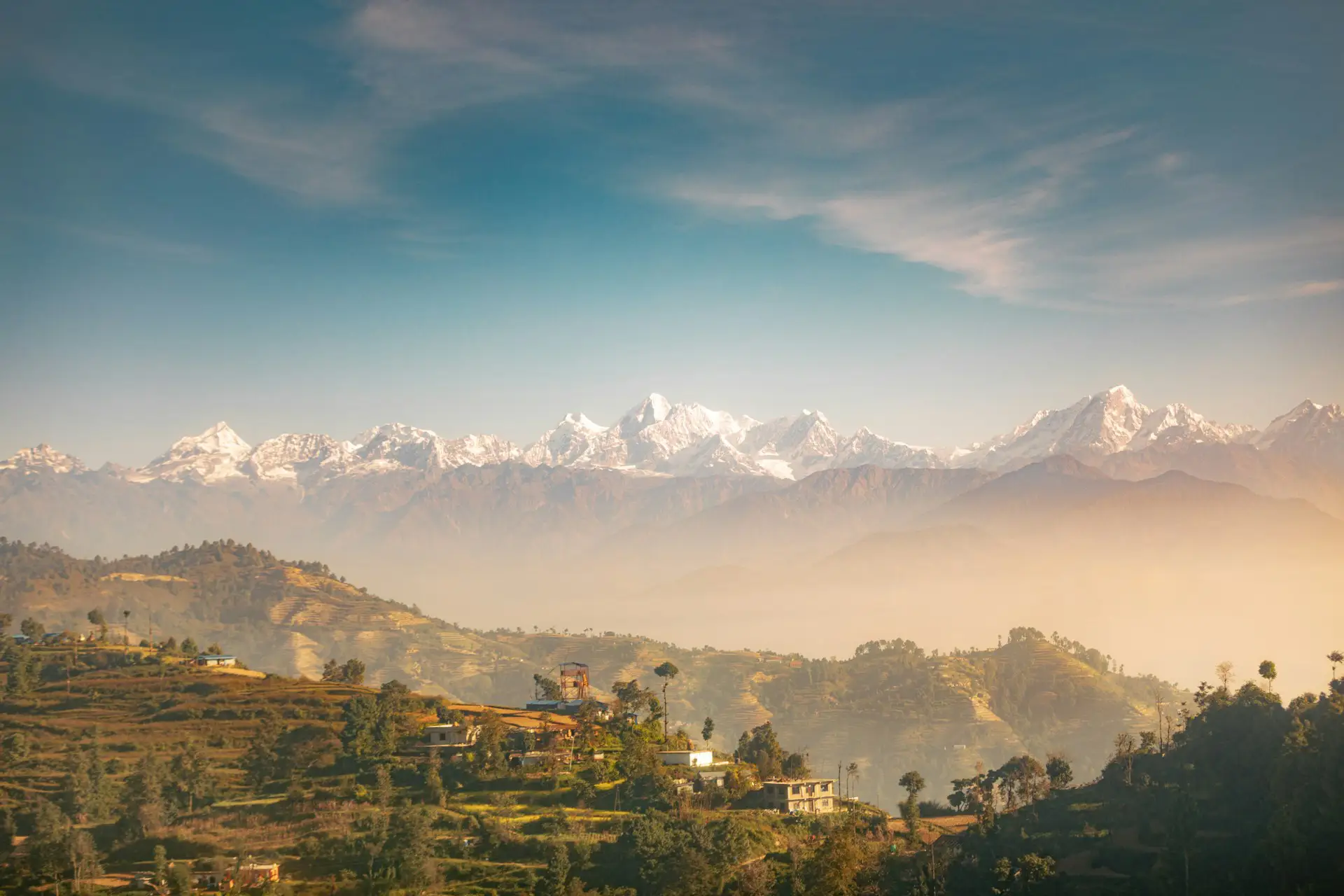
Kathmandu Valley
Nepal’s cultural heart — ancient cities, rituals, and living history.

Pokhara
A relaxed base for short hikes, mountain views, and recovery days.

Himalayan Regions
High-altitude trekking zones — routes, villages, and iconic trails.

Chitwan & Terai
Lowland Nepal — national parks, safaris, and slower travel.
Nepal Trekking Guide – From Beginners to Experts
Explore Nepal’s world-famous trekking routes—from easy Himalayan hikes to challenging high-altitude adventures.
Beginner-Friendly Treks
Perfect for first-time trekkers with short trails, lower altitude and comfortable lodges.
Ghorepani Poon Hill (2–4 days)
Australian Camp Trek
Nagarkot–Chisapani Hike
Most Popular Treks
Nepal’s iconic trekking routes combining scenery, culture and adventure.
Everest Base Camp Trek
Annapurna Base Camp Trek
Langtang Valley Trek
Advanced & High-Altitude Treks
Designed for experienced trekkers seeking remote trails and high mountain passes.
Annapurna Circuit Trek
Manaslu Circuit Trek
Kanchenjunga Base Camp Trek
Guided vs Independent Trekking
Learn whether to trek solo, with a guide, or through an agency—based on route and season.
Everest Base Camp → Independent trekking possible
Manaslu Circuit → Guide mandatory
Winter trekking → Guide strongly recommended
- Trekking in Nepal is possible year-round, but route difficulty, permits, and safety considerations vary by region and season.
Plan Your Nepal Trip — From Idea to Itinerary
Trekking in Nepal isn’t about ticking places off a list. It’s about choosing the right route, season, and pace — before you book anything.
Ready-Made Nepal Itineraries
Everest Base Camp, Annapurna Circuit, short treks, and city + hike combinations — planned with realistic pacing.
Build Your Nepal Trip
Choose routes, manage acclimatization, understand logistics, permits & rest days.
Choose the Right Season for Nepal
In Nepal, season decides visibility, trail safety, and comfort. Picking the right window matters more than picking the route.
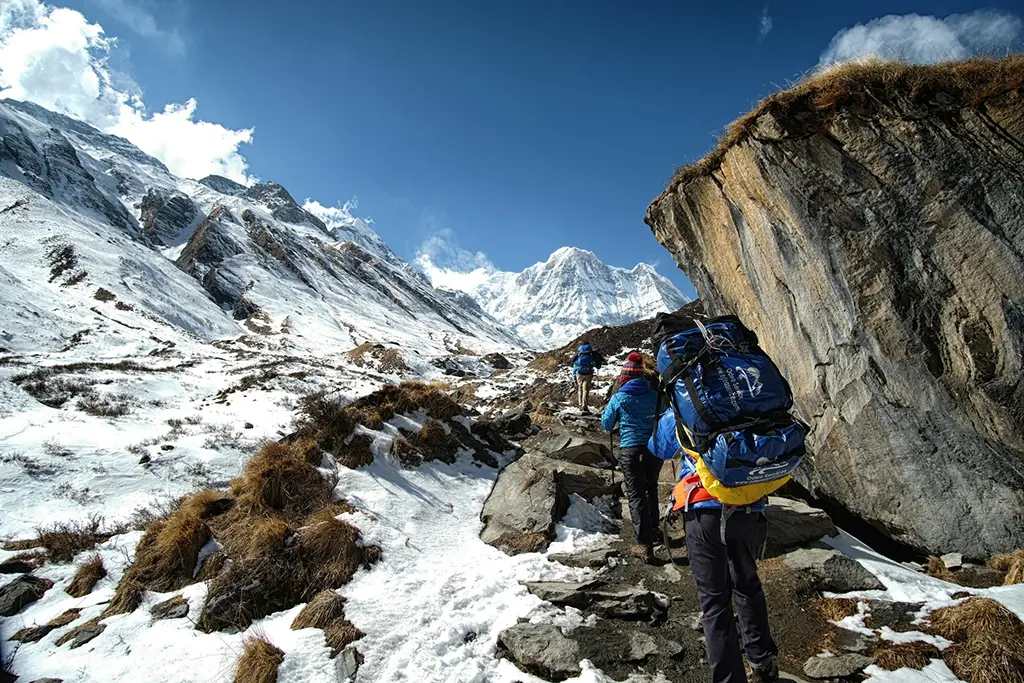
🍁 Autumn (Sep–Nov)
Clear mountain views, stable weather, and open trails —ideal for Everest Base Camp, Annapurna & Langtang treks.
Best for:
First-timers • Classic high-altitude treks • Photography

🌸 Spring (Mar–May)
Warming temperatures, colorful hillsides, and reliable conditions —
perfect for mid-altitude routes and scenic treks.
Best for:
Nature lovers • Moderate treks • Fewer crowds than autumn

🌧️ Monsoon & Winter
Rainy summers and cold winters limit high treks — but offer quieter trails, lower costs, and unique experiences.
Best for:
Lower regions • Cultural travel • Experienced planners
Nepal Travel Cost Breakdown – Daily Budget & Trek Expenses
Plan your Nepal trip better with a clear understanding of daily expenses, trekking costs, permits, food, and transport.
Budget Traveler
Designed for backpackers using hostels, local buses, and budget meals.
- Daily cost: $25–40
- Local food & teahouses
- Shared transport
Mid-Range Traveler
Comfort-focused travel with private rooms, better transport, and guided treks.
- Daily cost: $50–80
- Private hotels
- Optional local guides
Luxury Traveler
High-end lodges, private guides, domestic flights, and premium services.
- Daily cost: $120+
- Luxury resorts
- Helicopter transfers
Trekking-Specific Costs
Trekking Permits
TIMS Card & National Park permits typically cost $20–50, depending on route.
Guide & Porter Fees
- Guide: $25–40/day
- Porter: $15–25/day
Accommodation on Treks
Tea house stays range from $5–15 per night, higher at altitude.
Food on Treks
Meals cost $5–10, increasing with altitude and remoteness.
Transport Costs
- Local bus: $2–5
- Taxi (Kathmandu): $5–10
- Domestic flights: $80–150
- Costs may vary by season, trekking route, altitude, and travel style.
Nepal Visa & Trekking Permits — Made Simple
Nepal entry is straightforward.
Most travelers just need the right permits before heading into the mountains.
Visa on Arrival
Tourist visas are issued on arrival at major entry points —
simple process, flexible duration options.
Trekking Permits
Most trekking routes require permits —
usually arranged in Kathmandu or Pokhara before departure.
Entry Requirements
Passport validity, onward travel plans,
and compliance with local regulations.
Safety, Altitude & Health in Nepal
Nepal is generally safe for travelers, but altitude, trekking risks, and health preparation are essential for a smooth trip.
Altitude Sickness (AMS)
High-altitude treks above 2,500m can cause headaches, nausea, and fatigue if not acclimatized properly.
- Everest Base Camp
- Annapurna Circuit
Trekking Safety
Follow marked trails, check weather updates, and avoid trekking alone on remote or restricted routes.
- Manaslu → guide required
- Winter treks → higher risk
Insurance & Emergency Rescue
Travel insurance covering high-altitude trekking and helicopter evacuation is strongly recommended.
Health Preparation Checklist
- Basic vaccinations & personal medication
- Carry a personal first-aid kit
- Stay hydrated to prevent AMS
- Altitude medication (if prescribed)
Emergency Support in Nepal
- Tourist Police available in Kathmandu & Pokhara
- Local trekking agencies assist during emergencies
- Hospitals available in major cities
- Trekking conditions vary by season and altitude. Always consult local guides or authorities before starting high-altitude treks.
Internet, SIM Cards & Payments in Nepal
Understand how to stay connected and manage money while traveling across cities, rural areas, and trekking routes in Nepal.
Local SIM Cards
Tourists can easily buy prepaid SIM cards at Kathmandu airport or city stores.
- Ncell – better urban coverage
- Nepal Telecom – wider rural reach
Internet During Treks
Wi-Fi is available in tea houses on popular routes but becomes slower and costlier at higher altitudes.
- Everest Base Camp → paid Wi-Fi
- Remote treks → limited or none
eSIM & Roaming Options
eSIM works well in major cities, but local SIMs are cheaper and more reliable for longer stays.
Payments & Money Use
Cash Is King
Cash is widely used, especially in rural areas and trekking regions.
Credit & Debit Cards
Cards are accepted in hotels, restaurants, and tour agencies in Kathmandu & Pokhara.
ATMs Availability
ATMs are common in cities but limited in trekking areas. Withdraw before starting treks.
Digital Payments
Local wallets exist, but tourists mostly rely on cash and cards.
Always carry enough cash before heading to trekking regions, as ATMs and card payments are unreliable in remote areas.
Cultural Etiquette & Local Travel Tips in Nepal
Understanding Nepal’s culture helps you travel respectfully, avoid mistakes, and connect better with locals.
Temple Etiquette
Remove shoes before entering temples and walk clockwise around stupas.
Dress Respectfully
Wear modest clothing in villages, temples, and rural trekking areas.
Tipping & Gratitude
Tipping is appreciated but not mandatory. Trekkers often tip guides and porters.
Ask Before Photography
Always ask permission before photographing people, monks, or inside temples.
Local Travel Tips
- Use your right hand when giving or receiving items
- Respect local religious customs
- Friendly greetings are common and appreciated
- Avoid wasting food in rural areas
Nepal is culturally diverse, with Hindu and Buddhist traditions deeply influencing daily life—especially in temples and trekking regions.
Real Stories from the Trails
Not guides. Not tips.
Just honest experiences from people who walked Nepal’s trails.
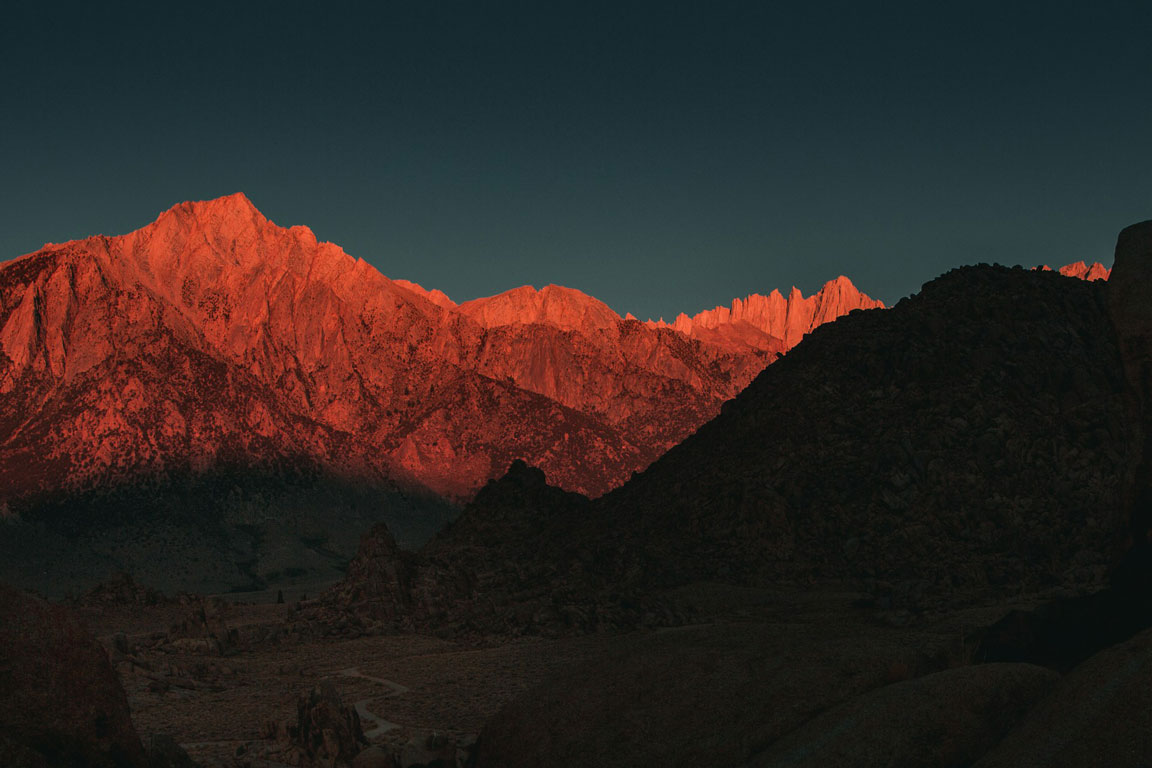
First Trek to Everest Base Camp
What surprised me most wasn’t the altitude — it was the pacing.
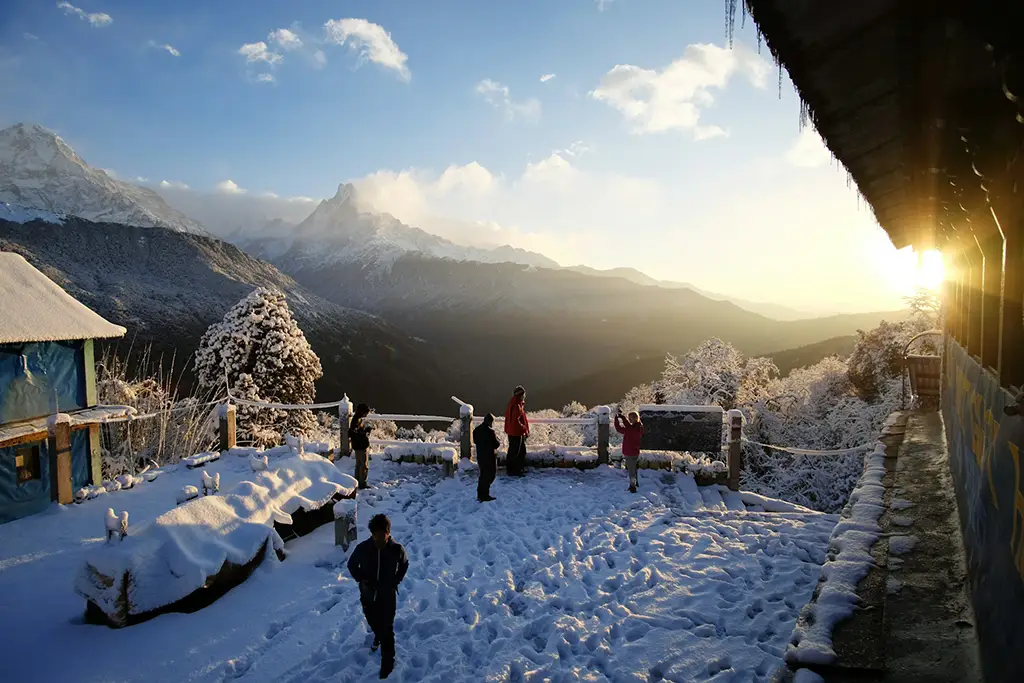
Lessons from the Annapurna Trails
Why going slower made the journey richer — and safer.

Kathmandu Beyond the Temples
Moments of calm between chaos, rituals, and narrow streets.
Nepal Travel FAQs
Common questions travelers ask before visiting Nepal—covering safety, trekking, visas, money, and planning tips.
Is Nepal safe for tourists?
Yes, Nepal is generally safe for tourists. Most travelers visit without issues, especially in Kathmandu, Pokhara, and popular trekking routes. Basic precautions and travel insurance are recommended.
Do I need a guide for trekking in Nepal?
Some treks like Everest Base Camp can be done independently, while others such as Manaslu Circuit require a licensed guide. Hiring a guide also improves safety and cultural understanding.
What is the best time to visit Nepal?
The best seasons are spring (March–May) and autumn (September–November), offering clear skies and ideal trekking conditions. Winter and monsoon have limitations but fewer crowds.
How much does a Nepal trip usually cost?
Budget travelers can spend around $25–40 per day, mid-range travelers $50–80, and luxury travelers $120+. Trekking costs depend on route, duration, and guides.
Can tourists use credit cards in Nepal?
Credit cards are accepted in major hotels and restaurants in Kathmandu and Pokhara, but cash is essential for rural areas and trekking regions.
Is travel insurance necessary for Nepal?
Yes. Travel insurance covering high-altitude trekking and emergency evacuation is strongly recommended, especially for multi-day Himalayan treks.
Travel Essentials for Nepal Trips
The right preparation matters more in Nepal —
especially when trekking, changing altitude, and remote routes are involved.
Travel Insurance
Medical emergencies, evacuation, and trek-related risks — coverage that actually works in the Himalayas.
Travel Accessories
Backpacks, layers, footwear, and small gear that make long days on the trail easier. Research based travel gear list.
Flight
Compare routes, transit options, and arrival points for smoother entry. Easy to search and find your flight.
Hotels
Kathmandu, Pokhara, and trail gateways —
comfortable stays before and after treks.
Why Travelers Plan Nepal with TripXAsia
Nepal rewards preparation.
We focus on clarity, safety, and realistic planning — not hype.
Trekking-Focused Planning
We understand altitude gain, rest days,
and why rushing a trek often ruins the experience.
Planning Before Booking
Routes, seasons, and permits first —
flights and hotels come after the plan makes sense.
Research-Driven, Real Experiences
Our guides are shaped by trail logic,
traveler stories, and updated regional insights.
Ready to Plan Your Nepal Adventure?
Whether it’s your first trek or a return to the Himalayas —
start with the right plan, pace, and season.