
South Asian Culture: 2026 Events & Festivals
Every month in South Asia, there’s a celebration. From the sacred festivals in Bhutan to the grand gatherings in India, this region of 1.5 billion people offers a rich mix of traditions, languages, and faiths. The calendar is filled with colorful and lively events. For cultural travelers, South Asia is more than just a place to see; it provides experiences that engage all the senses.
Imagine the cool mountain air during a Bhutanese Tshechu as you hear ancient horns and watch masked dancers. Think of the warm light from countless diyas (oil lamps) lighting up an Indian city during Diwali. Picture the vibrant colors splashing across the streets during Holi as people celebrate together. Festivals are the heart of society here.
This guide will help you enjoy these special times. You’ll learn what to watch, where to go (even if virtually), what may interest you, and when to participate across India, Bhutan, Nepal, and Sri Lanka. You’ll discover not only what these festivals are but also how to experience them respectfully. We’ll provide practical tips for booking travel, blending into local culture, and joining in ancient traditions. Make this the year you don’t just visit South Asia but truly enjoy it.
South Asian Culture Calendar 2026 at a Glance
Planning a short cultural trip takes careful scheduling. Consider the climate, regional seasons, and festival dates, as they all affect your experience. Here are the significant events in 2026 to help you decide when to travel.
| Month | Event | Country | Significance | Atmosphere |
|---|---|---|---|---|
March |
Holi (Mar 8-9) |
India |
Arrival of spring, victory of good over evil. |
Energetic, colorful, joyous. |
March |
Paro Tshechu (Mar 22-26) |
Bhutan |
Major religious festival with sacred dances. |
Spiritual, traditional, vibrant. |
July/Aug |
Esala Perahera (TBD) |
Sri Lanka |
Grand procession honoring Buddha’s Tooth Relic. |
Majestic, reverent, spectacular. |
Sept/Oct |
Thimphu Tshechu (Sep 29-Oct 1) |
Bhutan |
Major cultural and spiritual celebration. |
Communal, spiritual, colorful. |
October |
Dashain (Oct 17-25) |
Nepal |
Longest festival celebrating good over evil. |
Familial, festive, deeply spiritual. |
November |
Tihar (Nov 11-15) |
Nepal |
Festival of lights honoring deities and animals. |
Bright, warm, heartwarming. |
November |
Diwali (Nov 14) |
India |
Festival of lights symbolizing inner light. |
Luminous, festive, celebratory. |
November |
Pushkar Camel Fair (Nov 18-26) |
India |
Massive camel fair and cultural spectacle. |
Bustling, rustic, unique. |
Major Festivals by Country: A Deeper Look
South Asia offers a variety of experiences, from the stunning Himalayas to the beautiful Maldives. Here are some key festivals to enjoy in 2026.
India: A Land of Light and Color
India’s festivals are vibrant and exciting. They reflect the country’s diverse culture and spirit. For official festival dates and cultural insights, you can visit the Incredible India website before planning your trip.
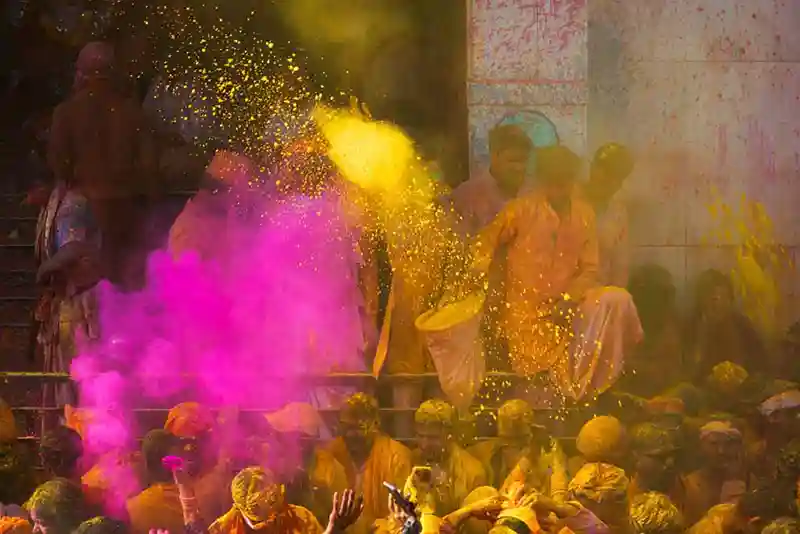
- Holi (March 8-9, 2026): Holi, the Festival of Colors, welcomes spring with joyful celebrations. The best festivities take place in Mathura and Vrindavan, where people celebrate as Lord Krishna once did. Expect music, laughter, and colorful powders flying through the air. People come together to forgive, let go, and have fun.
- Diwali (November 14, 2026): Diwali, the Festival of Lights, is one of India’s most significant holidays. It symbolizes the victory of light over darkness and good over evil. During this time, homes, shops, and streets shine with countless clay lamps (diyas) and candles. Fireworks light up the night sky, and families gather to share meals and exchange gifts. It is a beautiful time to witness India’s rich traditions.
- Pushkar Camel Fair (November 18-26, 2026): Located in Rajasthan, the Pushkar Camel Fair is one of the largest camel fairs in the world. It’s not just a place to trade camels; it’s also a cultural event. Enjoy camel races, folk music, dance performances, and contests like the “longest mustache.” The chilly November air and the sight of camels across the dunes create a striking experience.
Bhutan: Kingdom of the Thunder Dragon
Bhutan’s festivals, known as Tshechus, showcase its deep Buddhist culture. These events are both religious and cultural.
- Paro Tshechu (March 22-26, 2026): This festival takes place in the beautiful Paro valley. Here, monks and locals wear masks and traditional costumes to perform sacred dances (chams). Attending these dances can feel spiritually uplifting and help people connect with Bhutan’s essence.
- Thimphu Tshechu (September 29 – October 1, 2026): This festival is in the capital, Thimphu. It is a social occasion where people wear traditional clothing from their regions. The dances and rituals are similar to those in Paro, but Thimphu’s atmosphere is grand and attracts many visitors. It’s a lively display of Bhutanese culture at its finest.

Nepal: Festivals in the Shadow of Everest
Nepal has a rich cultural mix of Hinduism and Buddhism. Festivals here focus on family, devotion, and joy. Updated festival schedules and trekking-season information are available on the Nepal Tourism Board website.
- Dashain (October 17-25, 2026): Dashain is the most essential and longest festival in Nepal. It celebrates the gods’ victory over demons. Families come together for reunions, with many traveling from across the country. You’ll see colorful kites in the sky and tall swings in villages for children. The festival ends when family members receive a tika (a mixture of rice, yogurt, and vermilion) blessed by the elders.
- Tihar (November 11-15, 2026): Tihar is the festival of lights, similar to Diwali. It lasts five days and honors different beings each day: crows, dogs, cows, and brothers. The festival celebrates nature and family. Homes are adorned with marigold necklaces and glowing butter lamps, creating a warm and respectful atmosphere.

Sri Lanka: The Pearl of the Indian Ocean
Sri Lanka’s festivals showcase its Buddhist heritage and island culture, often featuring grand parades and ancient traditions.
- Esala Perahera (Late July/Early August 2026): This is one of Asia’s biggest festivals, held in Kandy. Traditional dancers, drummers, fire-breathers, and decorated elephants fill the streets for 10 nights. The festival honors the Sacred Tooth Relic of Buddha, kept in Kandy. Torches light up the streets, creating a magical atmosphere.

Experiencing Authentic South Asian Culture
To truly enjoy these events, get involved.
- Participate in a Workshop: Look for local workshops where you can learn traditional crafts, like making Diwali lamps or garlands for Tihar.
- Stay with a Local Family: Stay with a local family to learn more about their customs and enjoy a Hanami party at their home.
- Take a Themed Cooking Class: Cooking festival dishes is a fun way to connect with the culture.
- Volunteer: Help with setting up or cleaning during the festivals.
- Hire a Local Guide: A guide can explain the meaning behind the traditions, making your experience richer.
Booking Your Festival Trip: Practical Tips
Popular festivals attract visitors from around the world, so planning is important.
- Book Early: For major events like the Pushkar Camel Fair or Paro Tshechu, book your flights and accommodations 6-9 months in advance. This helps you get better rates and ensures you don’t miss out.
- Consider Package Tours: Many tour operators offer packages that include festival tickets, transportation, and guided experiences. This can make travel easier.
- Look for Early-Bird Discounts: You can save money on flights and hotels by booking months ahead.
- Stay Close: Find accommodations near the events. This will save you time and money on transportation.
- Get Travel Insurance: Choose insurance that covers trip cancellations and medical emergencies. It’s a good idea to have it.
- Check Travel Advisories: Stay up to date on health and safety guidelines for your destination to travel responsibly.
- Plan Local Transport: Familiarize yourself with local transportation options, such as tuk-tuks, metros, and ride-sharing apps, to make getting around easier.
Responsible Festival Etiquette
Show respect to the hosts to ensure these traditions can be enjoyed for years to come.
- Dress Appropriately: If you visit temples or attend religious ceremonies, cover your shoulders and knees. A thin scarf can be helpful.
- Ask Before Photographing: Always ask for permission before taking pictures of people, especially during spiritual or religious events. In some cases, photography may not be allowed.
- Respect Local Traditions: Always follow local customs, such as removing your shoes before entering homes or temples. Avoid public displays of affection, as they may be seen as disrespectful.
- Support Local Artisans: Buy souvenirs and handicrafts straight from local artisans. This ensures your money directly benefits the community.
- Tread Lightly: Don’t litter. Bring reusable water bottles and recycle whenever you can.
- Learn a Few Local Phrases: Knowing a few basic phrases, like “Namaste” in India/Nepal and “Kuzuzangpo” in Bhutan, can help you communicate respectfully.
- Be Mindful of Your Impact: Treat guides and local people with respect. Listen to their stories and appreciate their knowledge about their home.
Frequently Asked Questions
What is the best time of year to visit South Asia for cultural events?
The ideal times to visit are during autumn (September-November) or spring (February-April). The weather is pleasant, and you can enjoy major festivals like Diwali, Dashain, Pushkar Camel Fair, and Holi.
How far in advance should I book accommodations for festivals?
For national holidays, it’s best to book 6-9 months in advance. For smaller events, booking 3-4 months ahead usually works well. This helps you find better availability and prices.
What should I wear when attending religious ceremonies?
Dress modestly by covering your shoulders, chest, and knees. Both men and women should wear loose-fitting, non-revealing clothing. It’s also a good idea to carry a scarf or shawl.
What cultural protocols should I be aware of?
Remember to take off your shoes before entering a temple or someone’s home. Use your right hand for eating and when giving or receiving items (like money). Always ask permission before taking pictures of people or religious events.
How can I ensure my travel is sustainable and respectful of local communities?
Support local businesses, hire local guides, and buy authentic crafts. Save water, reduce plastic usage, and remember to “leave no trace” by taking all your waste with you. Engage with the local culture respectfully.
What types of travel insurance should I consider for festival travel?
Get comprehensive travel insurance that covers trip cancellations, medical emergencies (including evacuation), lost luggage, and theft.
Ready for an Unforgettable Journey?
Traveling to South Asia offers more than you can imagine. You’ll experience beautiful landscapes, rich cultures, and ancient traditions. The 2026 festivals will showcase the region at its best. From the colorful Holi celebrations to the serene, lantern-lit nights of Diwali, these moments will stay with you for a long time.
Your cultural adventure is waiting. Start planning your trip to South Asia now and prepare to be enchanted by its charm.


