Trekking in Nepal: Winter Guide 2026
Trekking in Nepal in winter is truly magical. While many people put away their boots after autumn, some travelers discover that the Himalayas are at their most peaceful and grand. You can enjoy fresh, clean air and trails without crowds—picture uninterrupted views of snow-covered mountains under bright blue skies. Winter turns the landscape into a beautiful playground and offers a rewarding trekking experience. If you seek solitude and stunning mountain views, winter in Nepal is perfect for you.
This guide provides the information you need to plan a successful winter hike in 2026. We will cover the best trails, what to expect in different weather conditions, the right gear to bring, safety tips, and everything else to ensure you have an unforgettable trip. For updated trekking regulations and seasonal travel advisories, visit the Nepal Tourism Board website before planning your trekking in Nepal adventure.
Best Routes for Trekking in Nepal During Winter
Some trails are better for winter trekking than others. Lower-elevation treks are safer and easier to access, offering great views without the risks of high-altitude passes. Here are two of the best winter adventures:
Ghorepani Poon Hill Trek
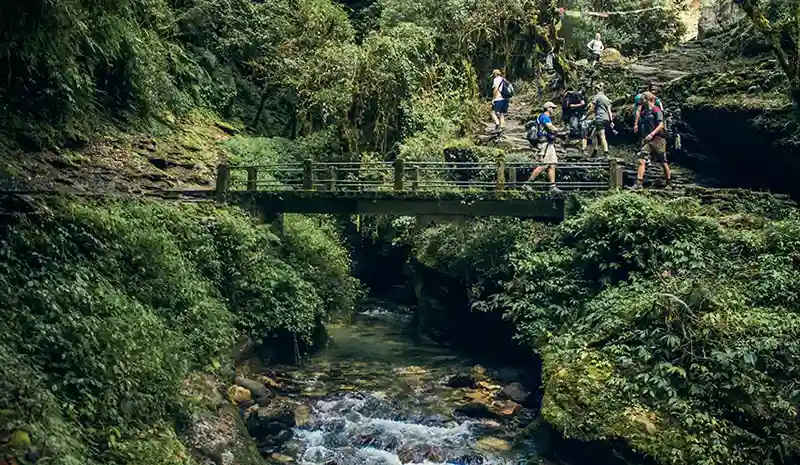
The Ghorepani Poon Hill Trek is often called Nepal’s most beautiful short trek. It’s a low-altitude trek in the Annapurna region that offers stunning views of the Himalayas. You’ll walk through icy rhododendron forests and pass through small Gurung villages like Ghandruk.
The highlight of this trek is the pre-dawn hike up to Poon Hill (3,210 m / 10,531 ft). From there, you can see an amazing range of peaks, including Annapurna, Dhaulagiri, Machhapuchhre (Fishtail), and Hiunchuli. In winter, the views of these mountains are clearer, which is breathtaking. The trails are less crowded, and the teahouses are cozier.
- Duration: 4–6 days
- Maximum Altitude: 3,210 m (10,531 ft)
- Difficulty: Easy to Moderate
- Why it’s great for winter: Accessible altitude, well-defined trails, and consistently clear mountain views.
Langtang Valley Trek
The Langtang Valley Trek is another great winter option. It combines cultural experiences with beautiful mountain scenery, located just north of Kathmandu. The trail passes through Tamang villages and forests along the Langtang River. Since the 2015 earthquake, the area has been rebuilt, and trekking helps support the local community.
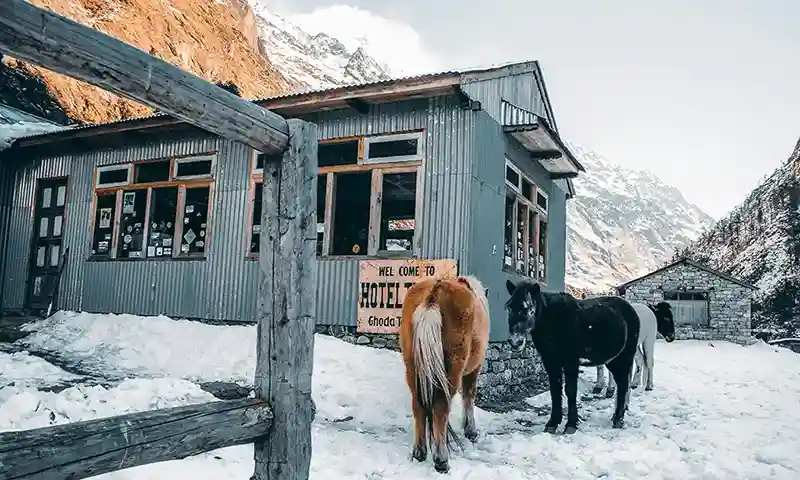
In winter, the valley becomes a peaceful place. The upper areas are snowy, contrasting with the green forests below. The trek ends at Kyanjin Gompa (3,870 meters / 12,697 feet), a quiet monastery surrounded by towering snowy peaks. For even more views, you can take a day hike to Kyanjin Ri or Tserko Ri. This trek is colder than Poon Hill, and while it is more challenging, it offers solitude and stunning Himalayan scenery.
- Duration: 7–9 days
- Maximum Altitude: 3,870 m (12,697 ft) at Kyanjin Gompa
- Difficulty: Moderate
- Why it’s great for winter: Fewer crowds, stunning snow-covered landscapes, and a chance to experience authentic Tamang culture.
Understanding Altitude and Winter Weather
The winter season (December – February) in Nepal is cold and dry, making it a good time for trekking if you are properly prepared. Here is a guide to what you can expect.
Weather and Temperature Data
Temperatures change a lot with altitude. Days can be sunny and pleasant, but nights are freezing.
- Kathmandu & Pokhara (1,400 m / 4,600 ft): Daytime temperatures average around 15-20°C (59-68°F), but nights can drop to 2-4°C (36-39°F).
- Trekking Routes (2,000–3,000 m / 6,500–9,800 ft): Daytime temperatures are typically between 5-10°C (41-50°F). Nighttime temperatures often fall below freezing, ranging from 0°C to -10°C (32°F to 14°F).
- Higher Altitudes (Above 3,000 m / 9,800 ft): Expect daytime temperatures around 0-5°C (32-41°F). At night, it can plummet to -15°C (5°F) or even colder, especially with wind chill.
Sunlight and Snowfall
One great thing about winter trekking is the clear, sunny days, with an average of 6 to 8 hours of sunshine each day. There is also usually little rainfall during these months.
Snowfall is a key factor to consider.
- Below 3,000 m: Snow is uncommon, but light dustings can occur.
- Above 3,500 m: Snowfall is more frequent, with accumulations of a few inches to a foot possible, especially after a storm. High passes like Thorong La on the Annapurna Circuit are typically closed. Trek completion rates for lower-altitude winter treks like Poon Hill are very high, often exceeding 95%.
Essential Gear and Training
With the proper preparation, a winter trek can be safe and enjoyable.
Gear Checklist
When you hike in cold weather, especially at night and in the early morning, it’s important to dress warmly. Use layers for better protection.
- Base Layer: Moisture-wicking thermal tops and bottoms (merino wool is excellent).
- Mid Layer: Fleece or down jackets for insulation.
- Outer Layer: A waterproof and windproof jacket and pants (Gore-Tex or similar).
- Footwear: Waterproof, insulated trekking boots with good grip. Bring microspikes or trail crampons for icy sections.
- Headwear: A warm beanie, a sun hat or cap, and a balaclava or buff for face protection.
- Gloves: Insulated, waterproof gloves or mittens, plus a lighter pair for dexterity.
- Socks: Several pairs of warm, moisture-wicking wool socks.
- Sleeping Bag: A four-season sleeping bag rated to at least -15°C (5°F) is essential, as teahouse blankets may not be sufficient.
- Other Essentials: Sunglasses (high UV protection), sunscreen, lip balm, a headlamp with extra batteries, a thermos for hot water, and a first-aid kit.
Physical Training
You don’t need to be an athlete, but being fit will make your trekking experience much better.
- Cardiovascular Fitness: Engage in activities like hiking, running, swimming, or cycling for at least 3-4 times a week, a few months before your trip.
- Strength Training: Focus on strengthening your legs and core. Squats, lunges, and calf raises are excellent exercises.
- Practice Hikes: If possible, go on long day hikes with a backpack to simulate trekking conditions. Practice walking on varied terrain to build stamina and confidence.
Hiring Guides, Porters, and Securing Permits
Navigating logistics in Nepal can be fun, and having local support is helpful, especially in winter.
Guides and Porters
A licensed guide is essential. They can take care of you, handle logistical challenges, and share knowledge about local culture and terrain. They are crucial for managing trail conditions and teahouse access in winter. You can also hire a porter to carry your main pack while you hike with a lighter daypack. This supports the local economy too.
Permits
You need permits to trek in Nepal. Your permits depend on your route.
- TIMS Card (Trekkers’ Information Management System): Required for most treks.
- National Park/Conservation Area Permit: For treks in areas like the Annapurna Conservation Area (ACAP) or Langtang National Park.
Your trekking agency in Kathmandu or Pokhara will help you get these permits. Have some passport photos and copies of your passport ready.
Staying Safe on Your Winter Trek
Safety is very important. Winter brings extra risks that you need to prepare for.
Altitude Sickness
Acute Mountain Sickness (AMS) can happen to anyone, regardless of fitness level. Review international high-altitude trekking safety guidelines before attempting winter trekking in Nepal.
- Acclimatize Properly: Ascend slowly (no more than 300-500 meters per day above 3,000 meters) and include rest days in your itinerary.
- Stay Hydrated: Drink at least 3-4 liters of water per day.
- Listen to Your Body: If you experience symptoms like headache, nausea, or dizziness, do not ascend further. Rest, and if symptoms persist, descend to a lower altitude.
Travel Insurance
Comprehensive travel insurance is essential. Your policy must cover:
- High-Altitude Trekking: Specifically mention trekking up to your planned maximum altitude (e.g., 4,000 meters).
- Emergency Helicopter Evacuation: This is critical. A helicopter rescue can cost thousands of dollars.
- Medical Expenses: Coverage for treatment in case of illness or injury.
Read your insurance policy carefully before buying. World Nomads and SafetyWing are popular choices among trekkers.
Frequently Asked Questions
What is the best trek in Nepal for beginners during winter?
The Ghorepani Poon Hill trek is the top choice for beginners during winter. The trails are well-maintained, and it is at a lower altitude than other treks. You can enjoy fantastic views of the Annapurna and Dhaulagiri ranges.
How cold does it get during winter treks in Nepal?
Temperatures vary depending on the altitude. During the day, it can range from 14 to 23°C. At night, temperatures can drop to -5 to -10°C at around 3,000 meters. At higher altitudes above 4,000 meters, it can drop to -15°C (5°F). Days are usually sunny and cool.
Do I need special permits for winter trekking in Nepal?
You need regular trekking permits, such as a TIMS card and the entry permit for the National Park or Conservation Area. You don’t need any special permits just for winter.
Is it safe to trek in Nepal during the winter months?
Yes, you can safely trek in winter if you are well-prepared with proper gear. Follow safety instructions, and having a local guide is important. They know the area well. High-altitude passes are usually unsafe and often closed.
What kind of travel insurance is recommended for winter treks in Nepal?
Get quality travel insurance that covers high-altitude trekking (up to the maximum altitude of your trek) and includes emergency helicopter rescue and medical coverage.
Can I hire a guide for winter treks in Nepal?
Yes, hiring a licensed guide is essential in winter. They provide crucial information on trail conditions, weather, and teahouse status, which is essential for your safety and experience.
Your Himalayan Winter Adventure Awaits
In winter, travelers have a unique chance to see the Himalayas at their calmest and most untouched. The trails are less crowded, which allows for a deeper connection with the mountains and local culture. Enjoy cozy evenings in teahouses and wake up to stunning views of the world’s tallest peaks. Nepal in winter is a must-visit destination.
If you’re excited about trekking in the Himalayas this winter, contact our travel specialists now to plan your unforgettable trip. Deep in valleys and high on snowy peaks, experience Nepal’s beauty and culture. Let’s make your trip a reality!